Researchers at St. James's Hospital in Dublin have developed a innovative device that targets auditory neurons linked to tinnitus. Early results from clinical trials suggest this could become a breakthrough treatment for this debilitating condition, though larger independent studies are needed to confirm efficacy.
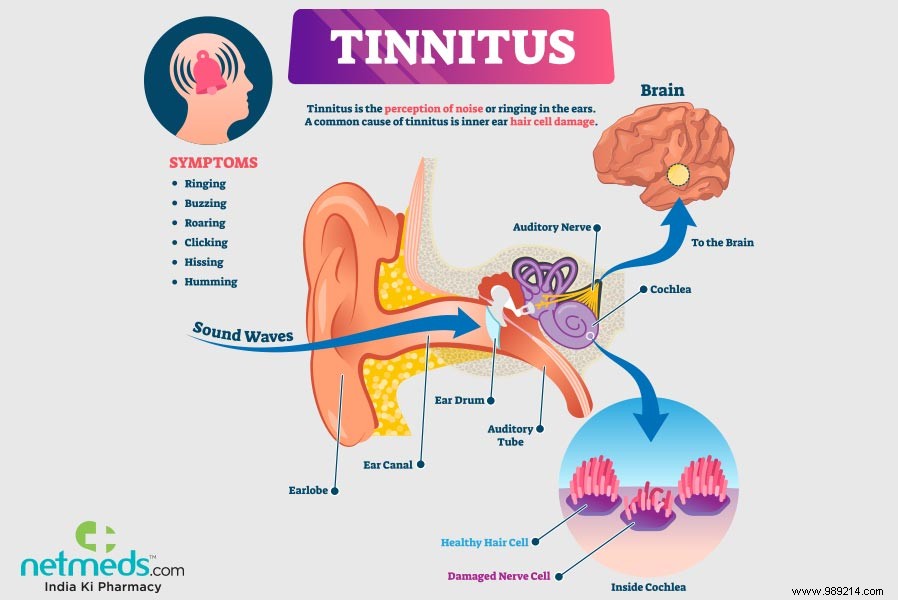
Tinnitus manifests as ringing, buzzing, or other phantom noises in one or both ears, unrelated to external sounds. It can be intermittent or persistent, lasting months or years, as noted in Inserm's comprehensive overview.
In about 80% of cases, tinnitus accompanies hearing loss, while the remaining 20% may stem from subtle auditory nerve damage that's hard to detect. Diagnosis relies solely on patient questionnaires, as MRI and other scans cannot measure it directly.
Affecting 1 in 10 adults, tinnitus drives ongoing research. A key effort at Dublin's St. James's Hospital, reported by The Irish Times on October 9, 2020, highlights a potential game-changer.
In a trial involving more than 300 volunteers with chronic tinnitus, over three-quarters—specifically 80%—experienced sustained symptom relief. The approach, known as bimodal neuromodulation, pairs audio via headphones with simultaneous tongue stimulation through an intraoral electrode. This technique reprograms overactive auditory neurons by linking them to tactile sensory pathways. Participants underwent daily one-hour sessions for three months.
The device is already commercially available and reports no adverse side effects. Independent replication of these findings could pave the way for widespread clinical adoption.
Complementing this, a 2019 study by Swiss and U.S. teams introduced an advanced hearing implant—a flexible neuroprosthesis that addresses limitations of traditional auditory brainstem implants, aiding those with profound hearing loss and tinnitus.
