A landmark study in France has uncovered high levels of carcinogenic nanoparticles in children's urine. These pollutants from air pollution significantly raise the risk of cancer and cardiovascular disease, as confirmed by leading environmental health research.
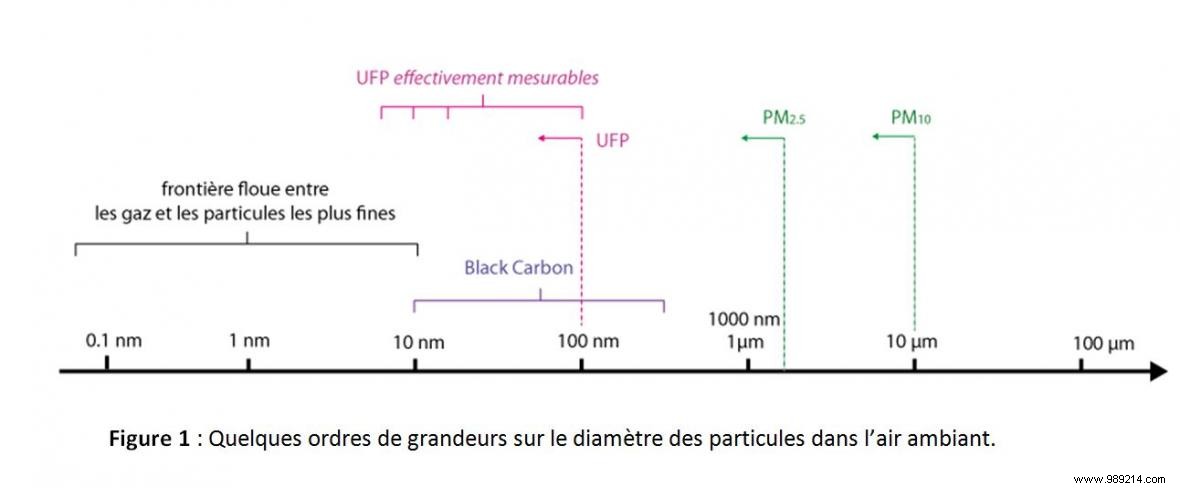
Particulate matter (PM) refers to tiny particles suspended in the atmosphere. PM2.5 particles, with diameters less than 2.5 micrometers, are well-known fine particles. Others include PM10, PM1.0 (ultrafine), and PM0.1 (nanoparticles). Primarily from diesel exhaust and wood burning, nanoparticles pose the greatest health threat.
These particles elevate the risk of cancer and cardiovascular disease across all ages, including fetuses, as they can cross the placental barrier.
A November 11, 2020, press release from the Strasbourg Respire collective highlights research by Tim Nawrot of the University of Hasselt (Belgium). He analyzed "black carbon"—a nanoparticle subclass ranging from 10 nm to 500 nm—in urine samples from 27 Strasbourg children (see diagram below).
Results showed over a million nanoparticles per milliliter in every sample. Nawrot noted a strong correlation between urine particle levels and proximity to roads, echoing his 2017 Antwerp study.
Children's excessive exposure to diesel pollution explains these nanoparticle levels in urine. In France, diesel vehicles are the primary source, alongside wood heating and industries like incineration and papermaking.
Strasbourg Respire urges authorities to implement low-emission zones excluding diesel vehicles, curb wood-based heating, and intensify monitoring and penalties for industrial emissions.
In the context of public health, reducing air pollution is critical—it contributes to more than 15% of Covid-19 deaths.
