Researchers at Australia's Florey Institute of Neuroscience and Mental Health warn that a third wave of COVID-19 may emerge—not through new infections, but as a rise in neurological conditions like Parkinson's disease.
While respiratory distress dominates COVID-19 symptoms, the virus can also trigger neurological issues such as encephalitis or anosmia. Coronaviruses, including SARS-CoV-2, demonstrate neurotropism, infecting nerve cells via multiple routes. In a September 22, 2020, publication in the Journal of Parkinson’s Disease, Florey Institute researchers highlighted a compelling case: a 25-year-old woman who tested positive.
She had minimal respiratory symptoms and no fever but developed anosmia. Brain MRI showed alterations in the posterior gyrus rectus of the cerebral cortex and olfactory bulb, which fully resolved after 28 days.
Drawing from this and similar reports, the experts hypothesize a prolonged pandemic phase—a third wave marked by surging neurodegenerative diseases rather than acute infections. Parkinson's disease, which targets dopaminergic neurons in the substantia nigra, leads to tremors and cognitive decline. Its multifactorial origins remain unclear, but neuronal inflammation is a key suspect.
COVID-19 patients exhibit heightened complement system activity in vulnerable brain areas, driving cytolysis via innate immune responses. Viruses like Zika have been tied to neurological complications, and some may elevate Parkinson's risk, though definitive proof is lacking.
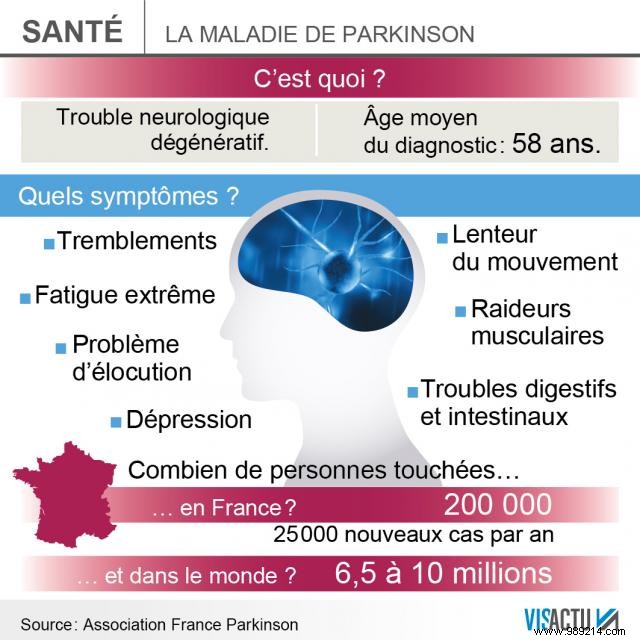
Historical parallels include the 1918 Spanish flu, followed by increased lethargic encephalitis cases—possibly from neurotropic H1N1. Many 'recovered' COVID-19 patients still battle fatigue, breathlessness, and anosmia, which precedes Parkinson's motor symptoms in 90% of cases, sometimes by up to 10 years.
To monitor this, the researchers urge establishing a registry for long-COVID patients with neurological symptoms, featuring blood tests for neurofilaments to detect early neurodegeneration.
