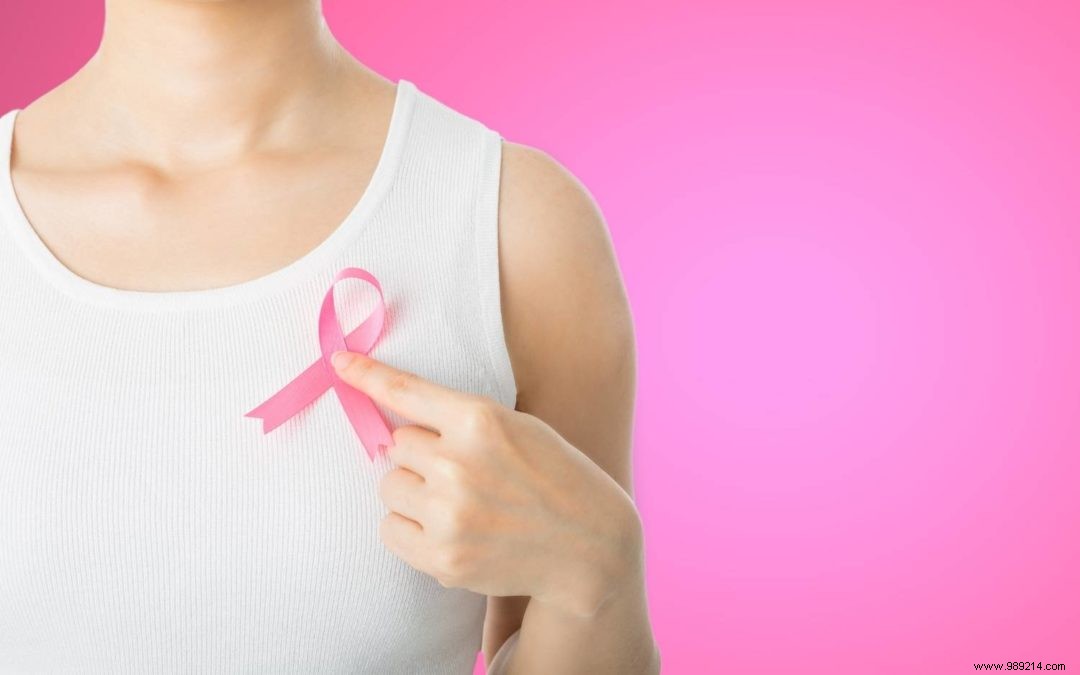
Breast cancer is the most common cancer among women, with over 50,000 new cases diagnosed annually in France. Fortunately, it's one of the best-treated cancers, boasting a recovery rate exceeding 87%. After treatment, survivors often navigate a profound rediscovery of their bodies and identities. French associations provide essential support for this transition. Drawing from trusted sources like INCa, here's how to thrive post-breast cancer.
Breast cancer affects 1 in 8 women, with more than 50,000 new cases each year. Hearteningly, over 87% of patients recover fully. It also impacts about 1% of men.
The healing journey culminates in reconstruction and holistic well-being. With expert guidance, women in remission can embrace their new chapter with confidence and peace.
Treatments like chemotherapy and radiotherapy often alter a woman's body—hair loss, weight changes—making it challenging to reclaim one's sense of femininity.
Hair loss from chemotherapy is among the most feared side effects.
Effective solutions include:
Many women choose to embrace baldness, sparking meaningful conversations with loved ones.
Treatments trigger nausea and weight loss; post-treatment appetite rebound can lead to rapid gain. Partner with a dietitian to establish balanced eating habits.
The breast symbolizes femininity for many. After mastectomy, reconstruction restores confidence:
Did you know? The French state fully reimburses these procedures.
Overlooked psychological effects, like distress, are common. Here's how to address them.
Up to 20% of survivors experience post-traumatic stress, marked by guilt and fear. Acknowledge these emotions as part of your healing. Pursue hobbies, and prioritize regular exercise, which cuts recurrence risk by 24%.
The pull to reconnect with colleagues is strong, yet re-entry can feel overwhelming. Facilitate it by requesting:
Lean on trusted colleagues for open discussions about your experience.
Targeted care rebuilds self-assurance. Numerous resources exist.
Cancer reshapes relationships. Transition from fear to renewed bonds through honest dialogue and empathy. Attend support groups together to foster connection.
Hundreds of groups aid thousands yearly:
Pink October, led by Ruban Rose, is France's national screening campaign with events like donation runs.
Etincelle Association (since 2004): Offers well-being workshops and treatments.
Skin Association: Artistic initiatives—photography, dance, painting—to rebuild body confidence, showcased in exhibitions.
Relearning life after breast cancer brings unexpected joys: new friendships, passions, and a reinvented routine. Your fresh start awaits!
https://www.e-cancer.fr/Professionnels-de-sante/Les-chiffres-du-cancer-en-France/Epidemiologie-des-cancers/Les-cancers-les-plus-frequents/Cancer-du-sein
https://www.has-sante.fr/jcms/p_3223271/fr/reconstruction-mammaire-apres-mastectomie-une-enquete-pour-connaitre-les-besoins-des-femmes
https://www.e-cancer.fr/Expertises-et-publications/Catalogue-des-publications/Vivre-aupres-d-une-personne-atte-d-un-cancer
https://www.cancerdusein.org/october-pink/october-pink
https://www.fondation-arc.org/cancer/cancer-sein/suivi-apres-cancer
Conclusion: Armed with these strategies and supports, survivors can step confidently into a vibrant future. Consult healthcare professionals for tailored advice, and remember: recovery is a testament to your resilience.
