Research published in the American Journal of Clinical Nutrition reveals that high intake of ultra-processed foods drives faster biological aging.
Ultra-processed foods differ markedly from simply processed items, which typically involve minimal additions like salt, sugar, oil, or vinegar—think canned vegetables, sardines, tuna, cheese, or packets of cashews and peanuts.
Ultra-processed foods undergo multiple industrial processes and techniques. They're primarily formulated from extracted food substances (such as oils, fats, sugars, starches, and proteins) or lab-synthesized ingredients, built from the ground up. Additives provide color, flavor, texture, and extended shelf life.
Designed to be affordable, convenient, appealing, and hyper-palatable, examples include soft drinks, sugary snacks, reconstituted meats, and frozen ready meals. These products dominate, making up about 80% of supermarket offerings.

These intensive processes boost calorie density while stripping away vitamins and nutrients, posing clear risks to health.
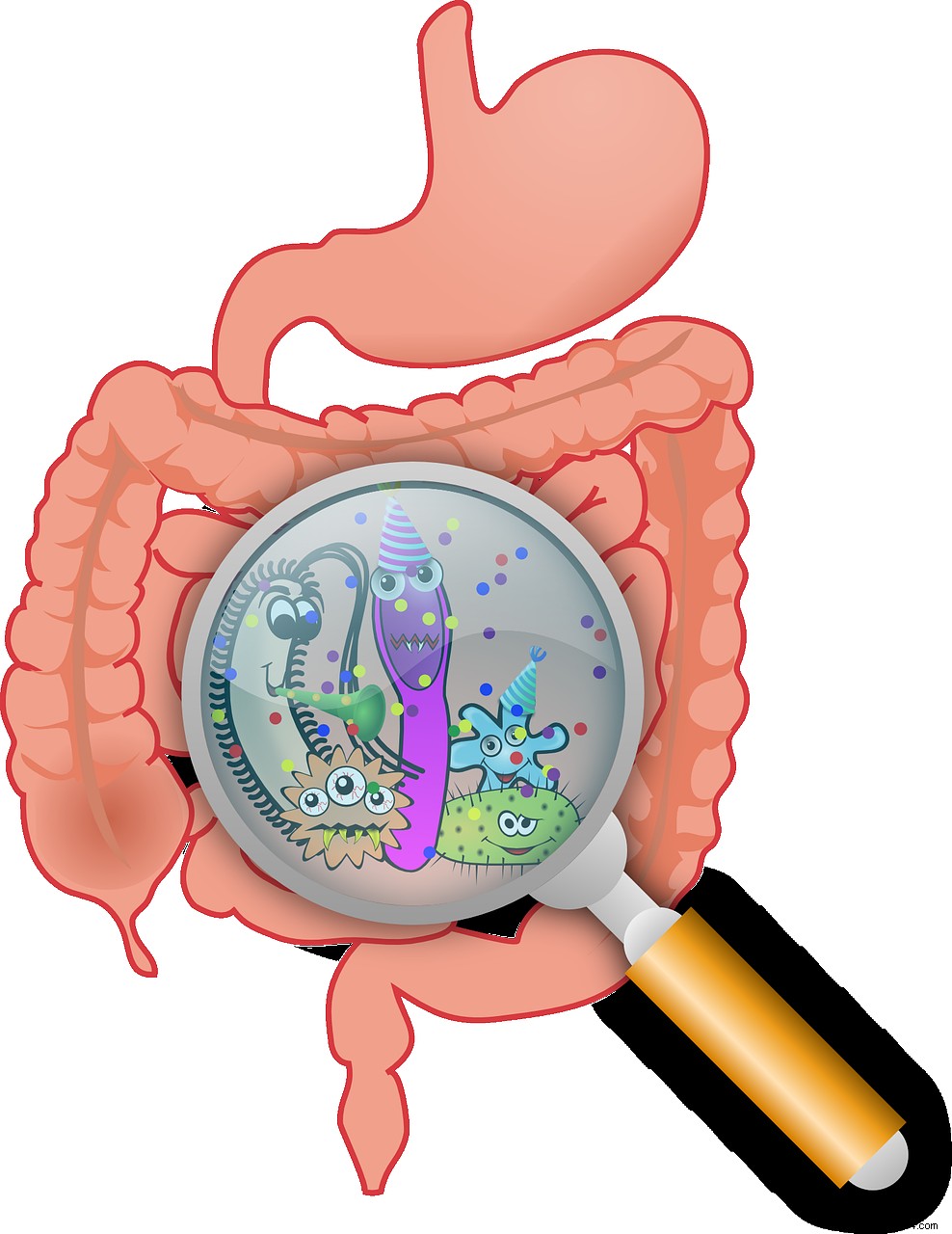
For instance, a mouse study demonstrated that an ultra-processed diet negatively alters gut microbiota composition.
Another analysis compared fecal samples from hunter-gatherers (who avoid ultra-processed foods) with those from industrialized populations, revealing far greater microbial diversity in the former.
Excessive consumers often show elevated C-reactive protein (CRP) levels, a marker of systemic inflammation linked to chronic conditions like cancer, arthritis, heart disease, and diabetes.
These foods also lack fiber, essential for feeding gut microbes. Starved bacteria struggle to maintain the intestinal mucus layer—a vital barrier—allowing pathogens easier entry.
Adding to these concerns, a recent American Journal of Clinical Nutrition study links high ultra-processed food intake to promoted biological aging.
Spanish researchers examined telomere length in 886 volunteers aged 55+. Telomeres, protective caps on chromosome ends, shorten naturally with age; shorter telomeres signal accelerated cellular aging and eventual cell death.
Participants were grouped by daily ultra-processed servings: under 2, 2-2.5, 2.5-3, or over 3.
Saliva analysis showed short telomere risk rising by 29% in the 2-2.5 group, 40% in the 2.5-3 group, and a stark 82% in the highest consumers.
