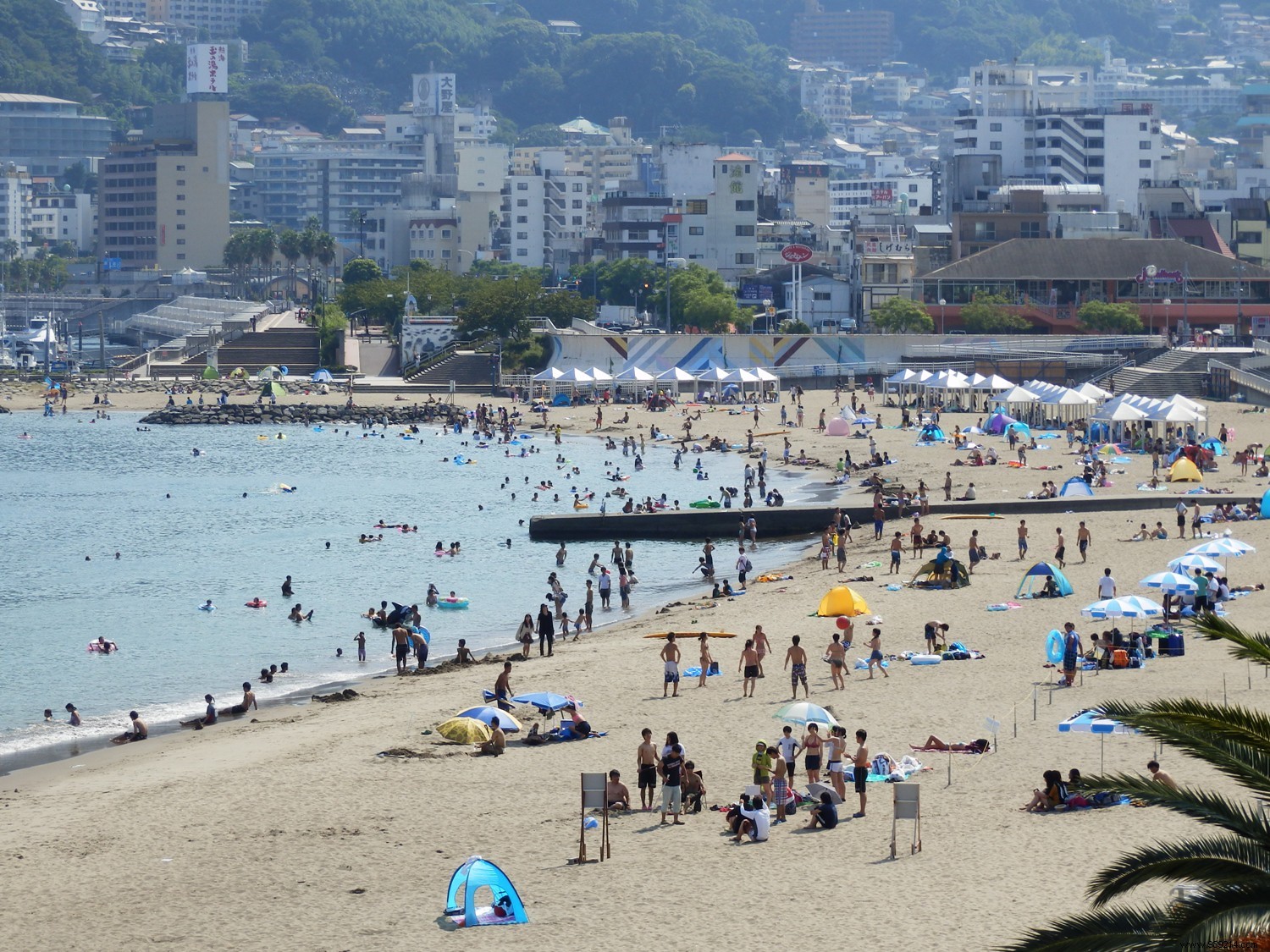
As summer holidays tempt us with sunbathing, COVID-19 precautions like carrying hydroalcoholic gel remain essential. Yet, leading dermatologists warn that this gel reacts dangerously with sunlight.
Vacation tanning requires sunscreen, but resist using hydroalcoholic gel (70% alcohol), a key COVID-19 measure, on sun-exposed skin. Dermatologists in Spain's El Mundo (June 17, 2020) strongly advise against it.
Dr. Marta Frieyro, dermatologist at Quirónsalud Hospital in Marbella, explains the gel's rapid evaporation feel is misleading. It lingers on the skin, potentially causing burns when exposed to UV rays.
Parisian dermatologist Catherine Oliverès-Ghouti addressed this in 20 Minutes, naming the risk: berloque dermatitis (dermatitis en breloque), a burn from alcohol reacting with sunlight on treated hands. Children's thinner skin heightens vulnerability.
Berloque dermatitis can also arise from bergamot in certain sunscreens or perfumes. For optimal hand hygiene in the sun, opt for soap and cool water.
A 2015 study flagged additional risks from regular hydroalcoholic gel use. Its bactericidal, virucidal, and fungicidal properties are vital amid COVID-19, but killed microbes linger on hands—no substitute for thorough washing.
Frequent application may also boost absorption of Bisphenol A, an endocrine disruptor tied to reduced sperm quality and quantity in men, miscarriages, obesity, and certain cancers.
