COVID-19 impacts individuals unevenly, with about one in ten cases progressing to severe or critical illness. While older adults and those with weakened immune systems face the greatest risks, growing evidence points to air pollution as a contributing factor.
As of early reporting, the COVID-19 pandemic had surpassed 380,000 confirmed cases and 16,500 deaths worldwide, alongside over 100,000 recoveries—indicating most infections are mild. The virus disproportionately affects the elderly and vulnerable, yet experts increasingly highlight air quality's influence.
Dr. Giovanni Ghirga, a physician with the International Society of Doctors for the Environment (ISDE), detailed this connection in a February 19, 2020, BMJ publication. He links severe coronavirus symptoms to long-term exposure to polluted air.
While definitive proof of a direct correlation requires further studies, established ties exist between air pollution and other respiratory conditions like chronic obstructive pulmonary disease (COPD).
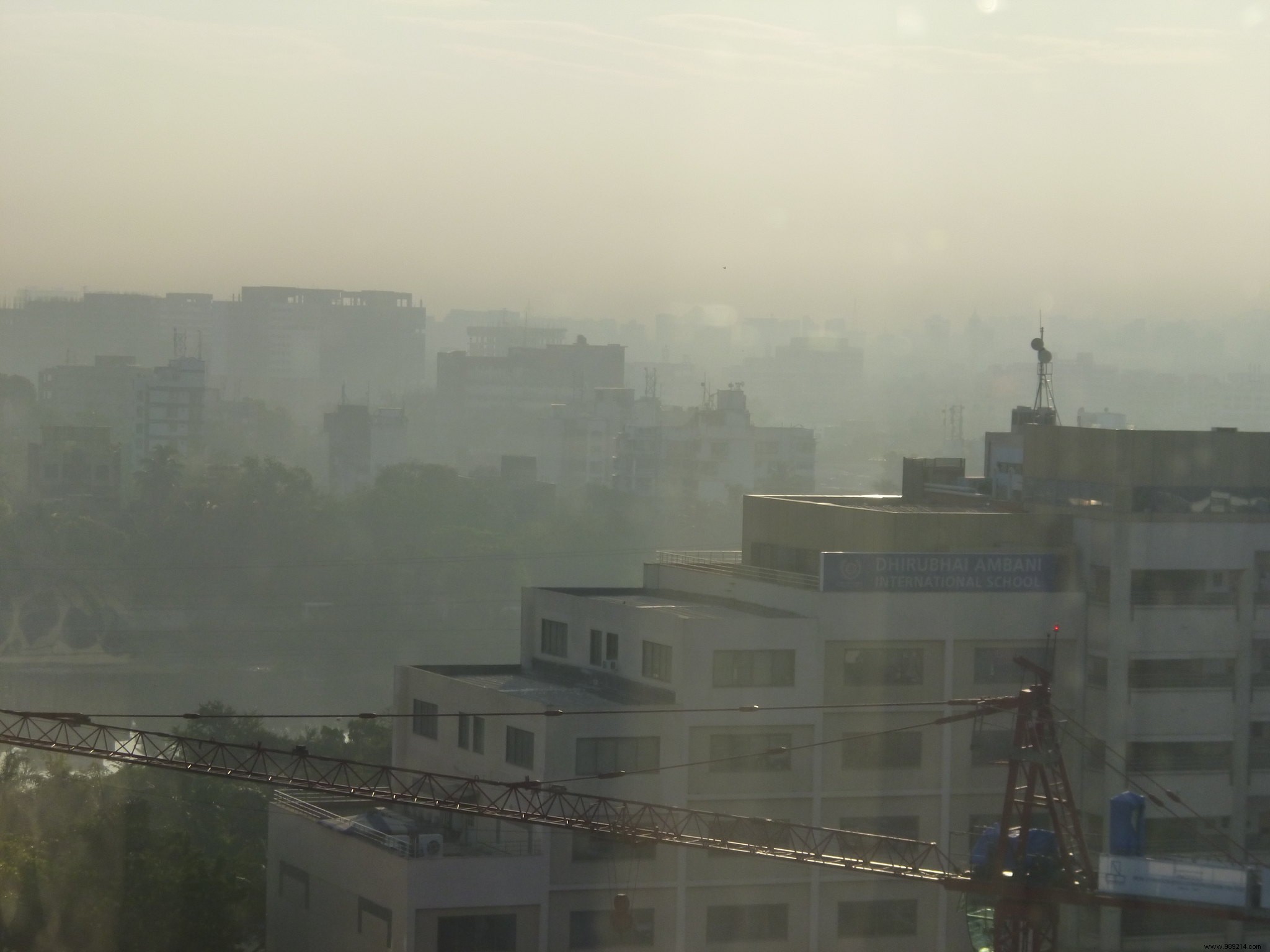
The European Public Health Alliance (EPHA) has cautioned that polluted air exposure could diminish survival odds for COVID-19 patients.
Similarly, the European Respiratory Society (ERS) notes that individuals with pre-existing lung or heart conditions have reduced defenses against infections, heightening mortality risk—a pattern potentially applicable to COVID-19. ERS advocates reducing pollution levels to bolster vulnerable populations' resilience.
The Federation of European Heating, Ventilation and Air Conditioning Associations (REHVA) has issued updated building guidelines to curb virus spread, including enhanced air supply and exhaust ventilation.
Source
