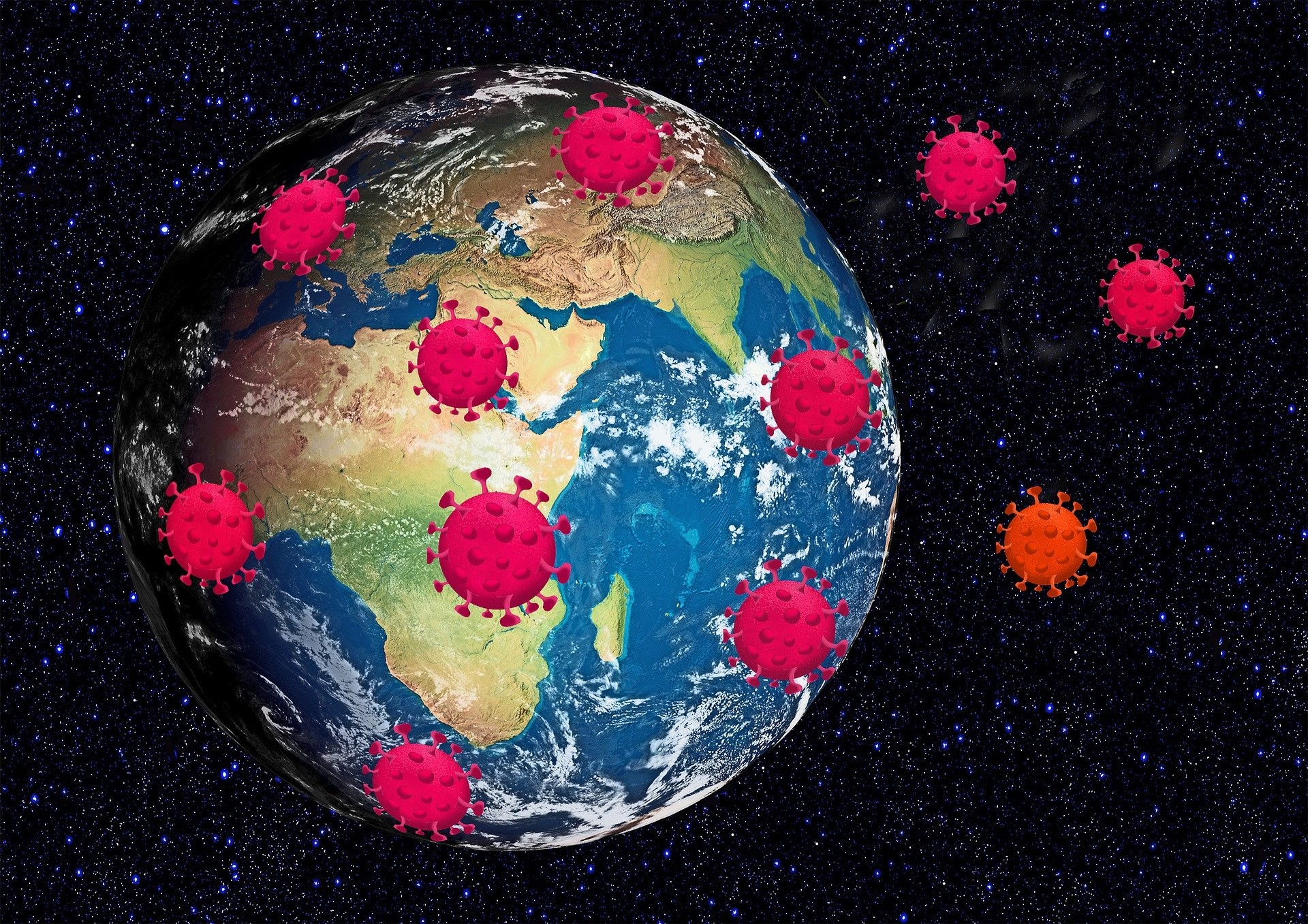
Experts warn that the novel coronavirus pandemic is far from the last. Until we confront the deep links between infectious diseases and environmental destruction, humanity remains vulnerable to future outbreaks.
Epidemics have afflicted humans throughout history, but their frequency is rising sharply. In the past 20 years, coronaviruses alone have sparked three major global outbreaks, with pathogens emerging more rapidly than ever. What drives this alarming trend?
Consider SARS-CoV-2, the virus behind the current crisis. Many point to Wuhan's wildlife market—a hub for live wild animals—as a prime breeding ground. Researchers have proposed pangolins as potential intermediaries between bats, the virus's natural reservoir, and humans.
Yet this is just one facet of a broader crisis: humanity's relentless destruction of ecosystems, bringing us into unprecedented contact with wildlife.
David Quammen, author of the acclaimed 2012 bestseller Spillover: Animal Infections and the Next Human Pandemic, told The Independent: “Our highly diverse ecosystems teem with wildlife, plants, fungi, and bacteria—each harboring unique viruses. When we raze rainforests for villages, mines, or to capture animals, we expose ourselves to those viruses.”
“It's like tearing down an old barn and watching the dust fly,” he adds. “Demolish a rainforest, and the viruses take flight.”
By invading wildlife habitats, humans become new hosts. Global trade then propels these pathogens worldwide at breakneck speed.
This explains why so many epidemics originate in Asia and Africa, home to 60% of the world's population and decades of rapid urbanization. The World Bank reports nearly 200 million people migrated to cities in East Asia during the 21st century's first decade.
Dr. Suresh Kuchipudi, a virologist at Penn State University, notes: “This mass migration clears forests for urban expansion. Virus-carrying wild animals, displaced toward towns, inevitably mingle with livestock and people.”
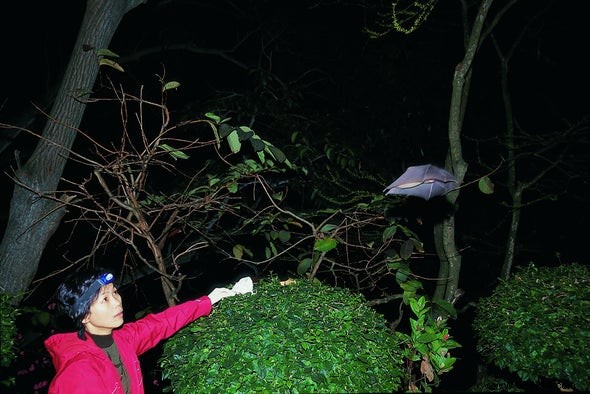
Bats, linked to outbreaks like Hendra (1994), Nipah (1998), SARS (2002), MERS (2012), and Ebola (2014), aren't the villains—they bolster biodiversity and ecosystem health. The danger lies in our contact with them.
Intermediate hosts amplify the risk. In Asia and Africa, families rely on livestock for survival, but limited resources keep cattle, chickens, and pigs—potential carriers of wildlife pathogens—in close quarters with each other and humans.
This intimacy enables pathogens to jump species barriers.
Stricter rules on wild animal sales and consumption can curb risks, but the core issue is proximity on a massive scale. To thrive, humanity must prioritize natural preservation—or face more devastating pandemics.
