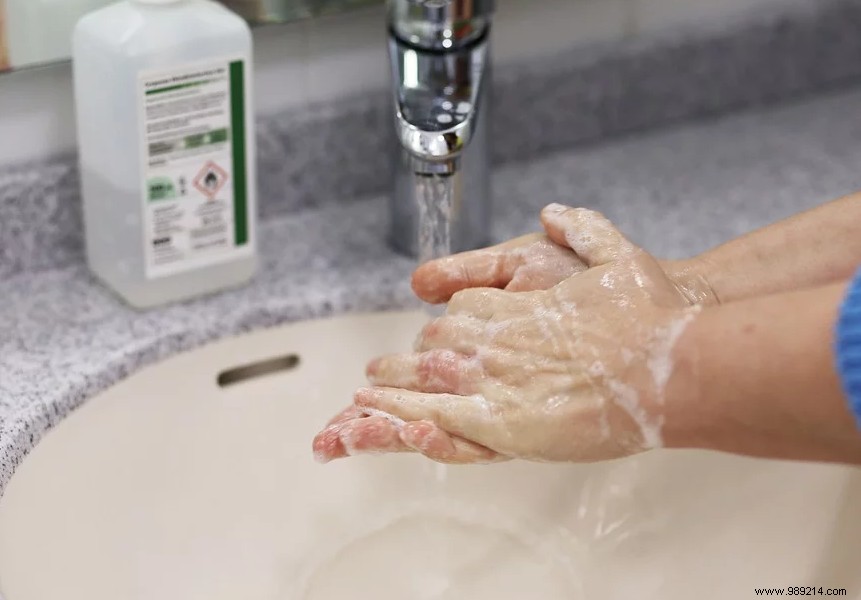
Thorough handwashing remains one of the most effective hygiene practices for preventing COVID-19. While soap disrupts the virus's structure, hydroalcoholic gels provide a powerful alternative. Both methods target the virus differently but deliver the same protective result.
Since the COVID-19 pandemic began, frequent handwashing has been a cornerstone recommendation. Hands are often the body's dirtiest part, and the contamination risk is significant. Touching an infected surface then your face allows the coronavirus to enter via the respiratory tract.
As noted by Michelle Sconce Massaquoi, a microbiology doctoral student at the University of Oregon, two key strategies stand out: washing with soap or using alcohol-based sanitizers (hydroalcoholic gels).
Follow this recommended handwashing protocol with soap:
The COVID-19 coronavirus measures tens of nanometers and consists of key components: proteins that infect cells and a lipid membrane enclosing the viral genetic material.
The virus's lipid membrane features weakly bonded molecules that repel water. Soap's surfactants, chemically similar to these lipids, compete for bonds upon contact, fragmenting the membrane and destroying the virus.
Alcohol, meanwhile, denatures the virus's spike proteins and disrupts membrane cohesion—but only if it comprises at least 60% of the solution.
Source
