Sterilizing medical equipment eliminates harmful microorganisms like bacteria, viruses, and fungi, ensuring safety for patients and healthcare professionals who handle these tools daily.
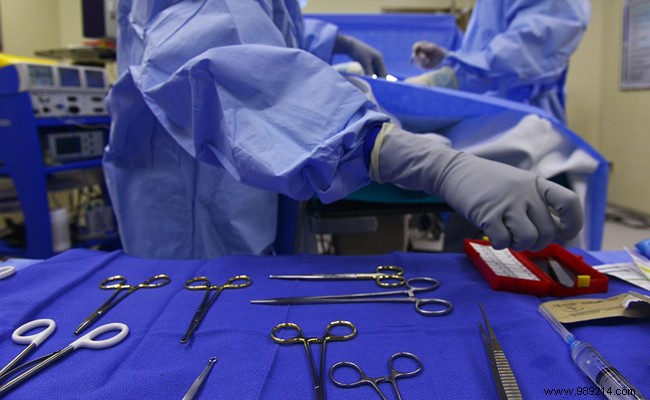
Sterilization prevents healthcare-associated infections, which can be severe. This critical process complies with strict European and French regulations, with methods tailored to specific needs in healthcare settings.
Healthcare professionals—from surgeons and dentists to general practitioners and nurses—prioritize rigorous hygiene for their instruments to minimize disease transmission. Healthcare-associated infections arise during diagnosis, treatment, or surgery, often termed nosocomial when occurring in facilities. Key factors include the care environment, procedures, equipment quality, and patient health.
To prevent bacterial transmission, providers adhere to stringent European and French standards for disinfection and sterilization. Every step must follow validated protocols and be fully traceable for optimal safety.
While disinfection reduces many microorganisms, sterilization destroys both agents and their forms entirely. It's vital for invasive tools like syringes, needles, dental instruments, and surgical devices that breach skin or tissues. Unlike disinfection, proper packaging maintains sterility long-term.
Prior to any method, equipment undergoes thorough cleaning, brushing, and chemical disinfection to remove contaminants like blood or pus.
The gold standard in hospitals, steam sterilization uses autoclaves—pressurized chambers with high-temperature steam—to eradicate bacteria, viruses, fungi, and biological materials. Fast and reliable, it's suitable for various equipment and fabrics. Compact autoclaves make it practical for dental offices and clinics.
Employing hot air ovens (poupinel), this method suits heat-resistant items intolerant to moisture, such as chrome-plated tools, certain glassware, or non-stainless steel equipment.
Ideal for heat-sensitive devices like plastic-coated or electronic components, this gas-based process ensures sterility without high temperatures.
