Until recently spared, sub-Saharan Africa is now facing the COVID-19 pandemic head-on. Leading experts caution that this is just the beginning.
Like much of the world, sub-Saharan Africa is contending with COVID-19. South Africa, which confirmed its first case 10 days ago, now reports around 60. Ethiopia has 4 cases, Cameroon 3, Rwanda 5, and Kenya 3. Equatorial Guinea and Namibia have each announced their first cases.
These are merely examples—at least 26 countries across the continent are affected, with infections rising. Many experts suspect COVID-19 has circulated undetected for weeks, meaning official tallies likely underestimate the true scale.
To combat the threat, numerous countries have sealed borders and halted flights from nations with confirmed cases.
In Kenya, President Uhuru Kenyatta announced a suspension of travel from any country with at least one COVID-19 case. Only Kenyan citizens and permanent residents may return, subject to quarantine.
Ghana will ban entry starting Tuesday for anyone who has visited a country with over 200 confirmed cases (except Ghanaian citizens).
South African President Cyril Ramaphosa declared a national disaster this Sunday. "Never before in the history of our democracy have we faced such a serious situation," he stated on television, announcing school closures and bans on large gatherings.
African nations are adopting isolation strategies akin to those worldwide. But will they suffice? With over a billion residents, sub-Saharan Africa presents unique challenges. University of Cape Town's Bruce Bassett described the continent as a "ticking time bomb."

These concerns stem from strained health infrastructures battling ongoing epidemics like HIV and tuberculosis (TB), which heighten vulnerability to respiratory illnesses.
The South African Academy of Sciences recently noted that people with HIV are eight times more likely to be hospitalized for flu-related pneumonia and three times more likely to die from it than the general population. COVID-19 is even more severe.
Hospital capacity is limited. Kenya, with over 50 million people, had just 130 intensive care beds and around 200 specialized nurses in 2015. Broadly, Africa hosts only 1.3% of global health professionals yet bears 25% of the world's disease burden.
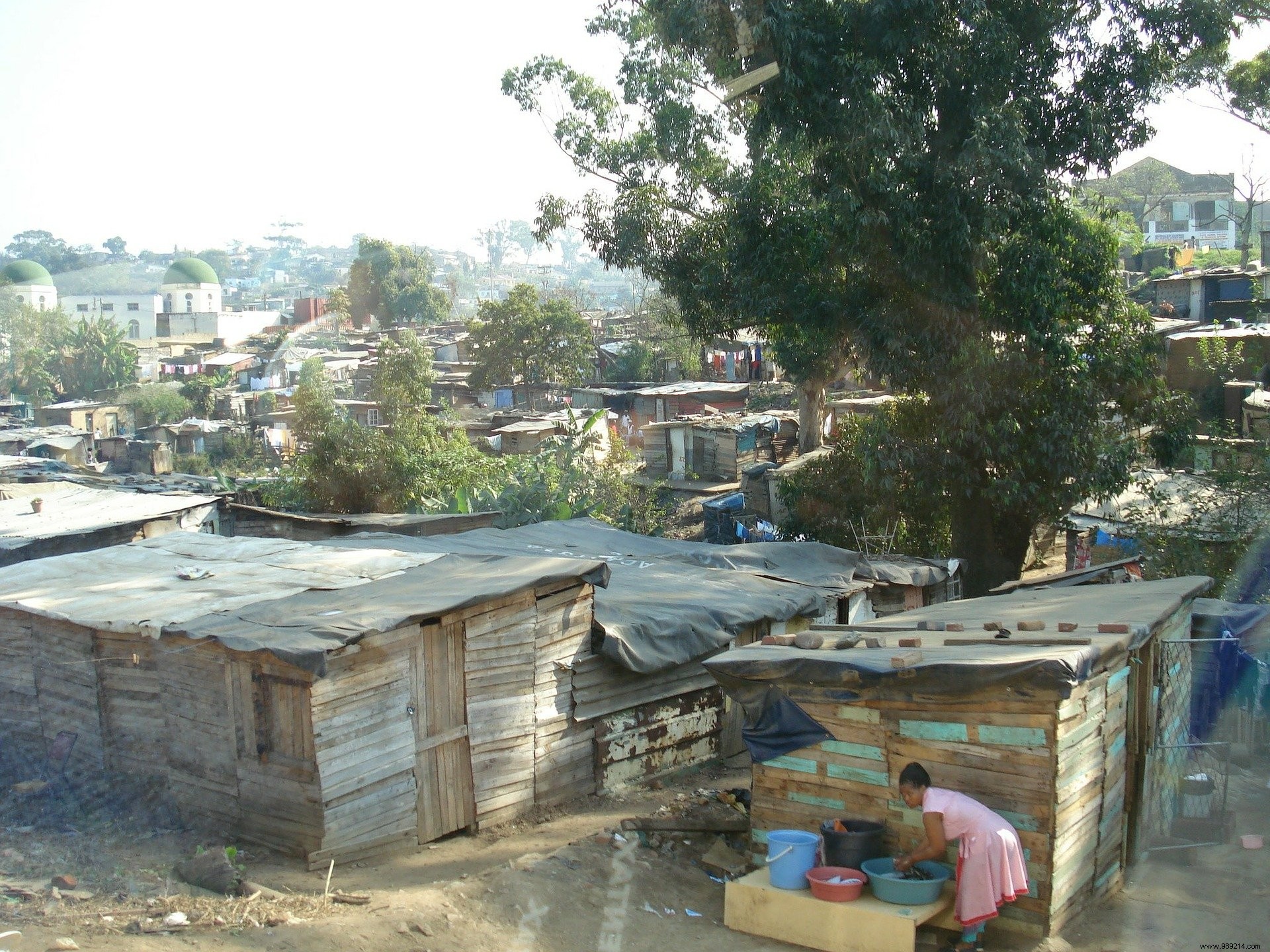
Social distancing is challenging in densely packed households spanning multiple generations.
Barrier measures pose further hurdles. "How do you instruct villagers to wash hands without water or use sanitizer when they can't afford food?" asks Francine Ntoumi, public health expert at Marien Ngouabi University in the Republic of Congo. "I'm afraid it's chaos," she warns.
Sub-Saharan Africa holds one advantage: its youthful demographics. Fewer than 4% are elderly, compared to about 12% in China. Children account for just 2% of cases so far and appear less severely affected. Young adults often experience mild symptoms, though they are not immune to worse outcomes.
Source
Related articles:
