As COVID-19 fuels a global pandemic, scientists continue probing its origins. Early in the outbreak, conflicting studies on preprint platforms like bioRxiv sparked debate, leaving the animal source unresolved.
With the pandemic nearing 95,000 cases and over 3,200 deaths—and more than 50,000 recoveries—focus has shifted from viral mutations to tracing its roots. Initial research pointed to animals at Wuhan's market, implicating bats, snakes, and pangolins as potential reservoirs or intermediate hosts. These findings, often unpeer-reviewed on bioRxiv, frequently contradict one another, raising questions about their reliability.
In early February 2020, one study reported that COVID-19 shared 99% genomic similarity with a coronavirus from pangolins. Yet, two weeks later, another refuted this, citing significant differences in the receptor-binding domain (RBD) of the spike protein. Concurrent analyses pegged pangolin strains at 90.23% or 91.02% similarity to COVID-19.
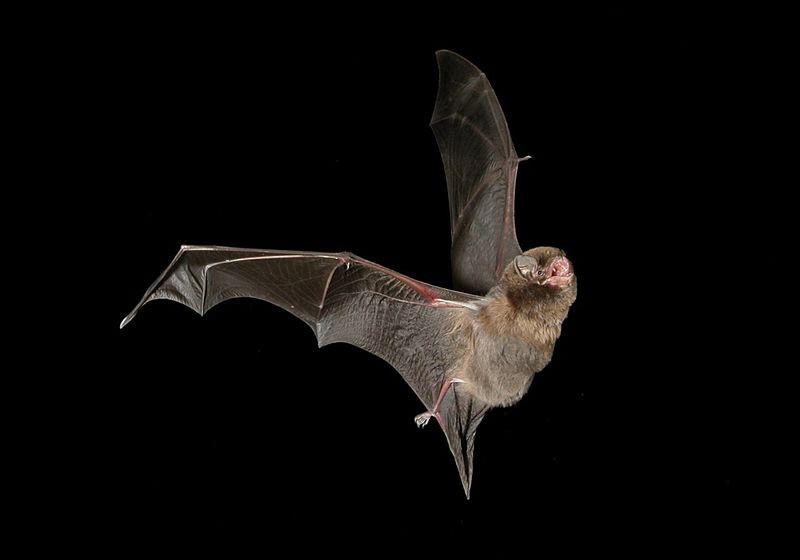
Bats, a staple in some Chinese diets and long suspected reservoirs, share up to 96% genomic similarity with humans. However, experts note key RBD differences, indicating bats likely require an intermediate host for human transmission—one that remains elusive and may never be identified.
Source
Related Articles:
