The origin of the SARS-CoV-2 coronavirus continues to be a pivotal question for scientists investigating the pandemic. The laboratory accident hypothesis remains a credible theory among experts.
As Europe's second COVID-19 wave surged and vaccine efforts intensified in 2020, the source of SARS-CoV-2 stayed unresolved. A CNRS Journal article from October 27, 2020, featured virologist and CNRS research director Étienne Decroly, who detailed the key hypotheses.
Over the past two decades, SARS-CoV-2 marks the third coronavirus causing severe human respiratory illness, following SARS-CoV (2003) and MERS-CoV (2012). Primarily hosted in bats, these viruses occasionally jump to humans via zoonotic spillover. SARS-CoV-2 now circulates widely in humans, prompting urgent questions about its zoonotic leap.
Consensus points to bats as the reservoir, yet Étienne Decroly notes that no evidence supports direct bat-to-human transmission, as confirmed by peer-reviewed studies. An intermediate host is likely involved—early suspicions of pangolins were later dismissed.
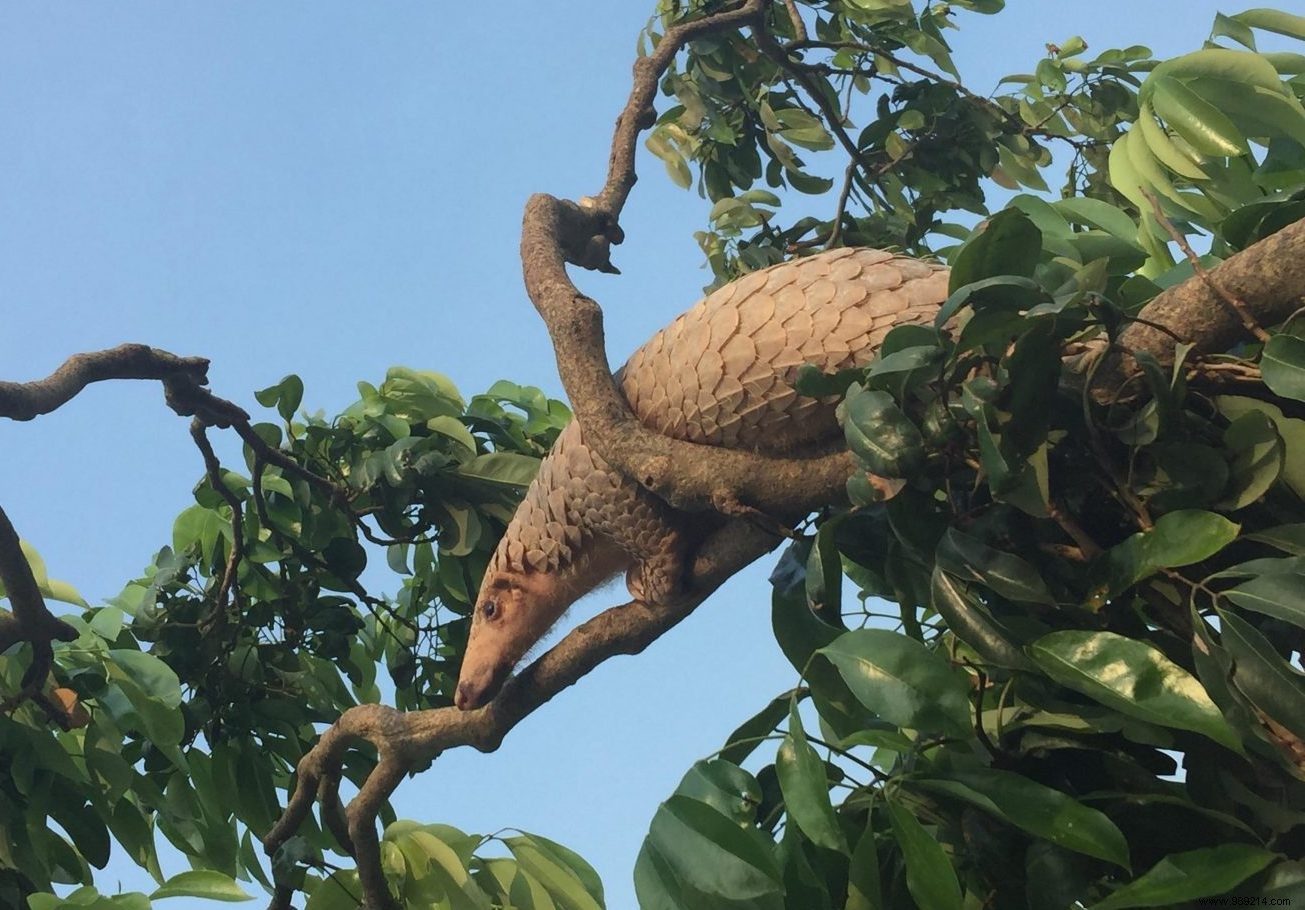
With the intermediate host unidentified, the laboratory accident hypothesis—including potential synthetic origins—persists. Decroly highlights that the 2003 SARS-CoV escaped labs at least four times, urging a rigorous review of virus reconstruction techniques in research facilities.
Modern labs can synthesize viruses from genetic sequences in mere weeks. While international biosafety standards regulate high-risk pathogens, accidents happen, raising valid concerns about experimental protocols.
In April 2020, U.S. authorities probed the Wuhan Institute of Virology's P4 lab amid suspicions of a leak. Patient zero may have been a staff member who inadvertently released the virus in the city.
