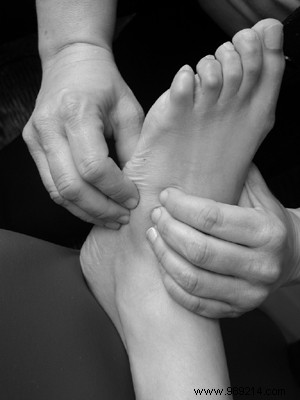
Alternative medicine, also known as complementary or non-conventional medicine, includes therapies whose effectiveness lacks scientific validation, unlike evidence-based conventional medicine. Praised by many patients yet criticized by skeptics, it fuels ongoing lively debate.
Despite the skepticism, countless French and European patients turn to these therapies, with some even partially reimbursed by health insurers. What exactly are they? Here's a concise list of the most popular non-conventional approaches:
Of these, only acupuncture and homeopathy are officially recognized as medical specialties by the Academy of Medicine. The others aren't illegal; qualified physicians can incorporate them complementarily, even without dedicated diplomas. While scientific proof of efficacy is absent, qualitative studies largely confirm patient benefits. Many health mutuals reimburse portions of these unrecognized treatments.
Terms like "soft medicine," complementary, parallel, or natural medicine all refer to these practices without distinction, per the European Commission. Distinctions arise between ancestral traditions (e.g., Chinese energy medicine, bonesetting), pre-scientific methods (e.g., hypnosis), and outright quackery. The core debate: Are unconventional practitioners charlatans? Believers tout virtues, doubters dismiss them, and many try skeptically yet report results. The placebo effect plays a key role here.
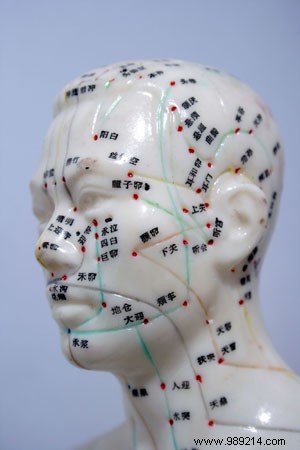
Charlatanism accusations don't hold for the listed therapies; each boasts established training programs and specialized schools, whether ancient or modern. Homeopaths, for instance, are licensed physicians whose practice is endorsed by the College of Physicians. Non-physician practitioners are trained therapists—impromptu practice is impossible, requiring diplomas validated within their professional communities. Paradoxically, while schools are legal and official, these credentials lack state or medical order recognition.
Disciplines like bioenergetics, domotherapy, iridology, or dowsing earn "pseudo-medicine" labels for falsely claiming scientific rigor (e.g., pseudoscientific jargon or diagnostics). Practices such as shamanism often lack tangible bodily focus, relying on beliefs deemed eccentric (e.g., afterlife concepts). Vigilance is crucial against sectarian excesses; France's Miviludes (Interministerial Mission for Monitoring and Combating Sectarian Abuses) combats exploitative guru therapies.
With years exploring these options, I've tested homeopathy and osteopathy regularly, plus chiropractic, fasciatherapy, and magnetic therapy. Chiropractic offered short-term relief for back issues but no lasting fix and zero reimbursement. I trust magnetism through family tradition, akin to healers and bonesetters. What about you—what have you tried?
