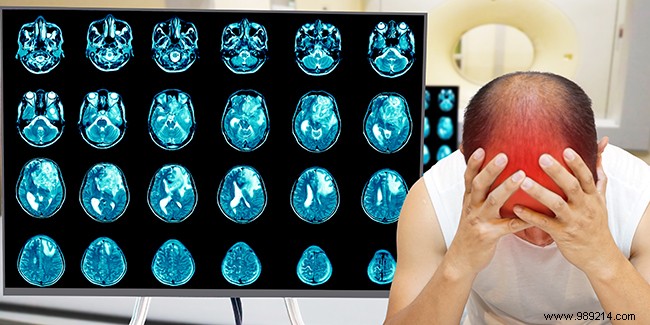
Strokes strike frequently—one every four minutes in France, totaling over 140,000 cases annually, per France's National Institute of Health and Medical Research (Inserm). This serious condition arises from a ruptured or blocked brain blood vessel and can occur at any age, though the average victim is 74. As brain damage can be rapid and severe, stroke demands immediate action: call SAMU at 15 right away.
AVC stands for "Accident Vasculaire Cérébral" (Cerebrovascular Accident), often called a "stroke" or simply "attack."
Stroke happens when brain blood flow stops—either from a clogged vessel (ischemic stroke) or a rupture (hemorrhagic stroke).
As an emergency, stroke risks irreversible brain damage from oxygen deprivation, potential death, and long-term disability. It's the top cause of death in women, second in men, with 20% mortality in the first year post-stroke.
Stroke also leads adult disability and ranks second for dementia after Alzheimer's.
Symptoms vary by affected brain area but onset suddenly.
Common sudden signs include:
France-AVC Association captures essentials in the VITE acronym:
Even if signs fade, act immediately—they may signal a transient ischemic attack (TIA), precursor to stroke in 5% within 48 hours or 10% monthly, per Inserm: "Better to call erroneously than too late."
Call SAMU (15) or European emergency (112) first. Effective treatments hinge on hours from onset; faster care means less damage.
While waiting, follow SAMU doctor's phone guidance: position patient with head on pillow, unmoved; note symptom start time; gather meds and recent blood tests if possible.
Never give food, drink, or meds—even routine ones.
Both stroke types link to arterial disease, so manage vascular risks.
Regularly check blood pressure (hypertension), cholesterol, diabetes, and heart rhythm.
Avoid obesity, inactivity, heavy smoking, and excess alcohol.
