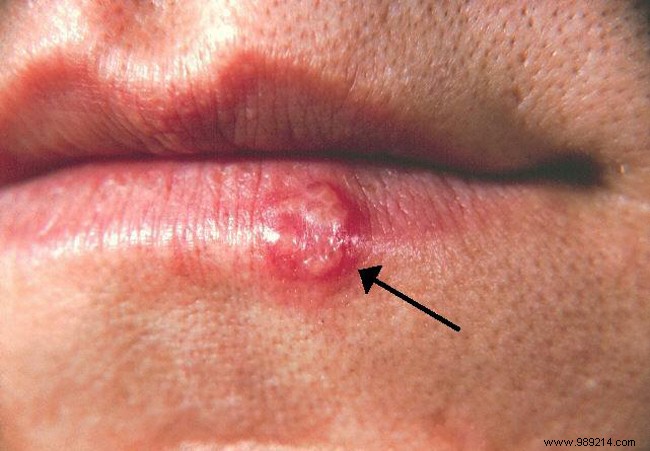
Cold sores, a widespread viral infection from the herpes simplex virus (HSV-1), impact nearly seven million people in France alone. Painful, itchy, and visibly distressing, they respond well to prompt treatment. To minimize recurrences, simple lifestyle changes make a big difference.
Cold sores, or herpes labialis, are lip infections caused by HSV-1. Spread through direct contact, it often strikes subtly in childhood, then remains dormant in nerve cells until reactivated by triggers like sun exposure, stress, injury, menstruation, or fever.
They typically appear around the lips but can rarely affect the mouth or other areas. Early warning signs include tingling, itching, or burning. Within days, fluid-filled blisters form on red skin, leading to pain and irritation. The blisters rupture, crust over, and heal without scarring.
Start treatment at the first tingle: Rinse the area with water or an antiviral solution, pat dry with disposable tissues, and wash your hands thoroughly. Apply an ice pack for 10 minutes, repeating if needed.
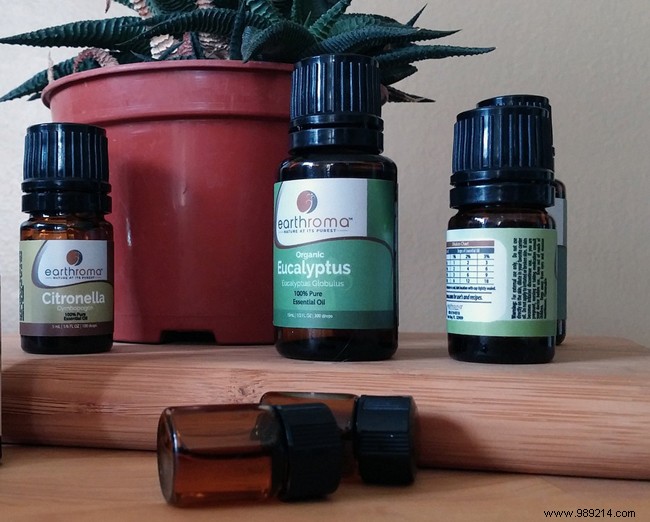
Aromatherapy fans can benefit from this blend: 9 drops Egyptian geranium essential oil, 2 drops palmarosa, 3 drops each lemony litsea and vetiver, 1 drop lamb's quarters, mixed with rosehip oil. Apply three times daily to the affected area.
Phytotherapy provides natural relief: Dab a 50% water and 50% lemon juice mix on the sore, apply a peeled garlic clove at onset, or use witch hazel gel once daily.
Color therapy works best early: At first blisters, sit under green light for 4 minutes, then red for 50 seconds. If advanced, use orange light for 4 minutes followed by blue for 50 seconds.
Pharmacies offer transparent patches to cover lesions, reducing spread and healing time, plus antiviral creams or oral medications.
Handle carefully—wash hands after any contact to avoid spreading, especially to genitals where treatment is more challenging.
Avoid triggers like prolonged sun exposure (opt for high-SPF sunscreen and lip balm), cold weather, and fatigue. Manage stress through exercise and rest. Don't touch your eyes or contact lenses with unwashed hands.
To protect others, wash hands often, avoid sharing towels or utensils, and limit contact with vulnerable groups like infants, pregnant women, or young children. Discuss with partners before oral-genital contact.
Benign yet disruptive, cold sores are best managed with vigilance, early intervention, and proactive prevention.
