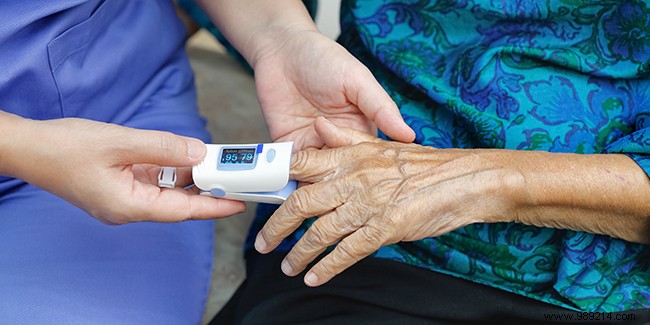
Home-based medical care enables seniors to avoid prolonged hospital stays or early admission to care facilities. For those over 60 needing ongoing support while staying in their own homes, this is an ideal solution. Discover who qualifies and how to access these vital services.
Home care encompasses nursing services delivered at home, including hygiene assistance for those with reduced mobility and medical procedures like wound dressings, injections, blood draws, and medication administration. Often called nursing care, these are performed by registered nurses or supervised nursing assistants.
This support is especially valuable for seniors recovering from hospitalization, allowing a safe return home with continued care. It also helps delay institutional placement for those preferring to age in place.
Eligible individuals include seniors and others in need. The prescribing physician—whether the primary care doctor or hospital physician—evaluates suitability. If deemed necessary, they issue a prescription specifying required services and submit it to Health Insurance for approval.
It's also possible to combine home care with home help services funded by the Personalized Autonomy Allowance (APA).
Several authorized providers deliver home care, selected by the doctor based on specific needs for medical or comfort support.
SSIADs serve individuals over 60 with illnesses, loss of autonomy, disabilities, or chronic conditions. Nurses and caregivers provide daily care per medical prescription, for the duration recommended.
Seniors or families contact a local SSIAD via the National Information Portal for Elderly Autonomy and Support. A nurse coordinator assesses needs and plans interventions.
SSIAD care is fully covered by Health Insurance—no out-of-pocket costs for the beneficiary.
SSIADs also coordinate with medical professionals (doctors, physiotherapists, podiatrists) and non-medical services like home aides for comprehensive support.
SPASADs extend SSIAD offerings with home help coordination through a single contact point, simplifying support.
Nursing care costs are covered by Health Insurance; home help by the individual. Eligibility requires age 60+ and a prescription. The 2015 Aging Adaptation Law encourages SPASAD expansion.
These centers employ certified nurses available seven days a week for prescribed home care.
Coverage comes from Health Insurance and supplemental insurance, with direct third-party billing to eliminate upfront payments. Find centers via the Health Insurance website directory.
Liberal nurses provide prescribed care at home. Patients pay upfront, reimbursed 60% by Health Insurance (if contracted), with the balance via supplemental insurance. Full coverage applies for long-term illness (ALD) cases.
