The human body is a remarkable yet delicate system, prone to serious threats like stroke—one of the top causes of death and disability worldwide.
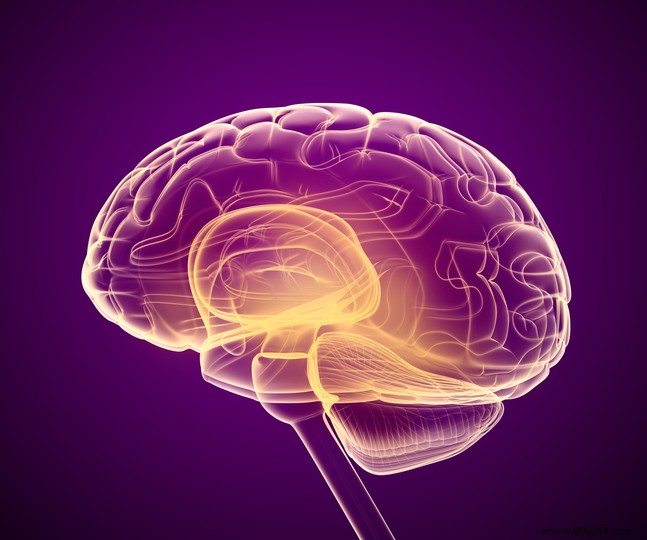
A stroke, often called a "brain attack," occurs when blood flow to part of the brain is interrupted, causing sudden loss of brain function. The most common type is an ischemic stroke, typically from a blood clot blocking a vessel.
Without blood, brain cells are starved of oxygen and nutrients, leading to rapid dysfunction in the affected areas and loss of control over related body functions.
A hemorrhagic stroke happens due to bleeding in or around the brain, such as from a ruptured vessel (intracerebral or subarachnoid hemorrhage).
Note also transient ischemic attacks (TIAs), brief blockages that resolve without permanent damage but serve as critical warnings, greatly raising the risk of major strokes soon after. These can mimic minor illness and go unrecognized.
Without prompt treatment, any stroke risks permanent brain damage and tissue death.
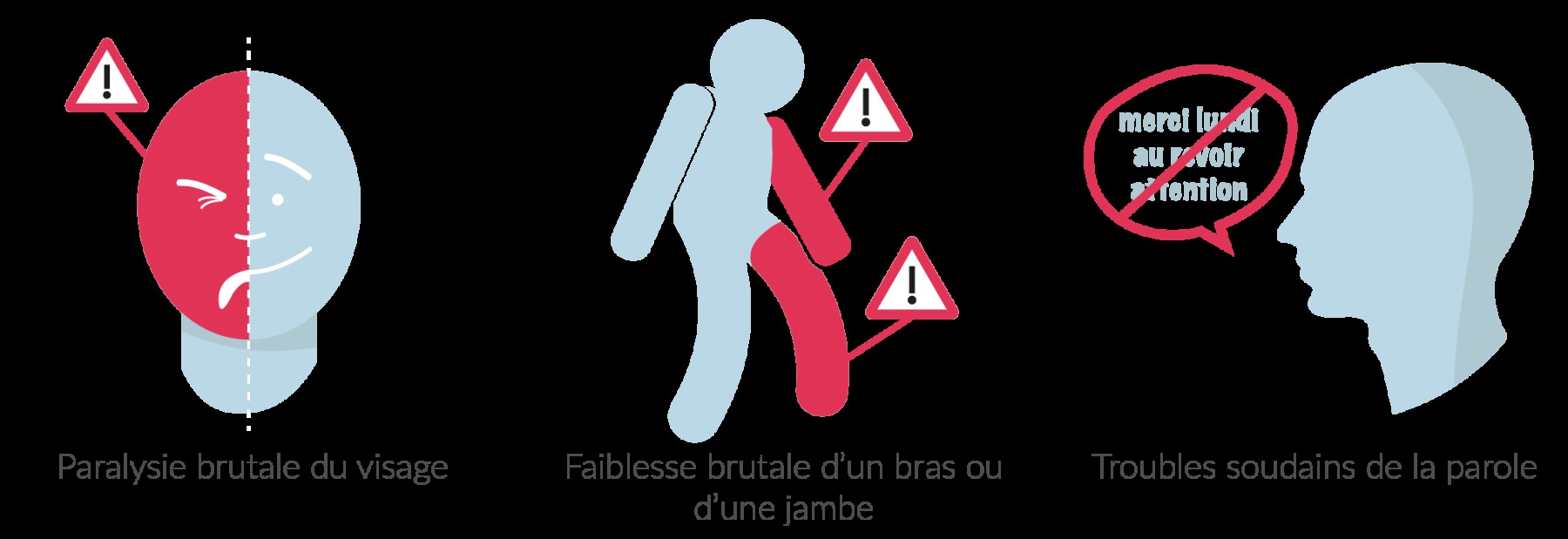
Face: Check for facial droop. Ask them to smile—one side may sag.
Arms: Have them raise both arms. One may drift downward due to weakness.
Speech: Ask them to repeat a simple sentence. Look for slurred or garbled speech.
Hemorrhagic strokes often include severe headache, nausea, or vomiting. If any sign appears, act fast—< strong>time is brain.
If symptoms appear, call emergency services immediately (911 in the US or your local equivalent). The treatment window is typically 3 to 4.5 hours from onset.
Swift action minimizes damage. Strokes can cause lasting issues from mild numbness to severe paralysis, speech loss, or mobility problems.
For ischemic strokes, thrombolytic drugs dissolve clots. In equipped centers, mechanical thrombectomy physically removes the blockage.
Hemorrhagic strokes require different care: blood pressure control, transfusions, or surgery to relieve pressure—never clot-busters, which could be fatal.

Age: Risk rises significantly with advancing years.
Family History: Higher if a parent had a stroke or TIA before 65.
Prior Events: About 30% of stroke or TIA survivors experience another within 5 years.
Additional risks include high blood pressure, high cholesterol, diabetes, smoking, and heart rhythm issues like atrial fibrillation.
Reduce risks with an active lifestyle, balanced diet, no smoking, and regular blood pressure checks.
