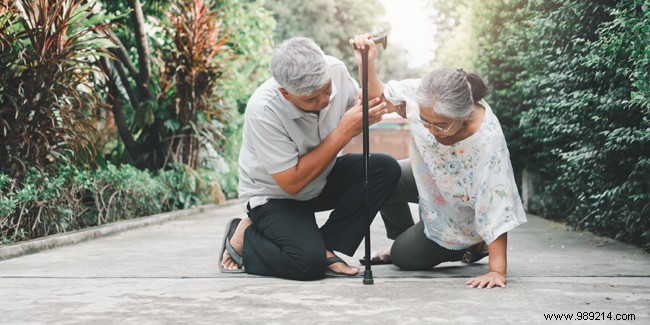
Falls can be serious, especially for older adults, where up to 30% result in complications like fractures or injuries. As caregivers and health professionals know, rushing to help without assessment can worsen the situation. Drawing from established protocols used by emergency responders and geriatric specialists, here's how to safely assist a senior who has fallen.
Before attempting to lift anyone, perform a quick visual check—even if you're not a medical expert. Avoid touching the person until you've evaluated:
If you spot serious issues like unconsciousness, severe pain, or bleeding, call emergency services immediately: dial 15 for SAMU or 18 for the fire department.
Note: Seniors often use mobility aids. If unfamiliar with them, ask about wheelchairs, walkers, or canes. Keep a stable chair nearby as a precaution.
If the senior can move, encourage self-recovery to build confidence and minimize injury risk. Follow these proven steps:
Position a stable chair nearby for support. Hold it steady and let them lean on you if needed.
Reassess for injuries first. If they're stable but need assistance:
Post-fall discussions are crucial. Falls may stem from balance loss, weakness, or early autonomy decline—often age-related but manageable. Reassure them to protect morale, especially after first falls. Encourage independent recovery next time without dramatizing.
Over 400,000 seniors fall yearly in France, leading to fractures, dislocations, or wounds. Proactive steps reduce risks significantly.
Geriatric experts emphasize balanced lifestyles:
Adapt living spaces with grab bars, walk-in showers, and supportive chairs in bathrooms and toilets. Clear pathways of rugs and cords. Ensure proper footwear, slippers, or aids like canes/walkers.
Consult occupational therapists for personalized setups—they excel at daily autonomy management. Discuss with doctors for referrals.
