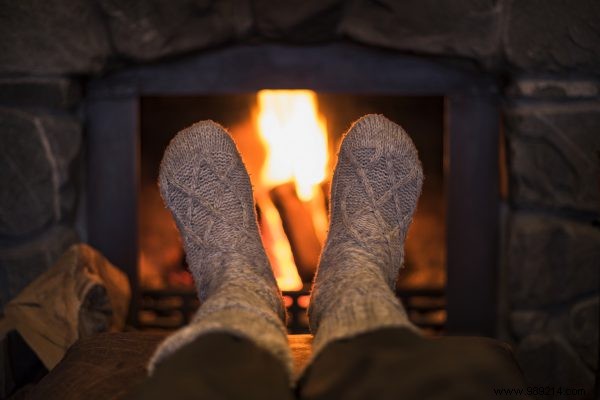
Do your feet feel like ice blocks when you slip into bed, keeping you awake until they thaw? You're not alone—this common issue disrupts sleep for many.
As a health expert with years advising on circulation and wellness, I've seen how persistent cold feet affect daily life. Here's why it happens and proven strategies to restore warmth.
Men often enjoy warmer feet, while women battle chilliness that spreads body-wide. This stems from differences in blood flow—women typically have less muscle mass, which generates body heat. Hormonal factors and slimmer vessels play a role too, backed by physiological studies.
Studies show wearing socks to bed can improve sleep by warming extremities and regulating temperature, but it's personal preference. If you opt in, choose loose, breathable options like bamboo or these sheep's wool socks, or others from natural materials.


Activity boosts circulation naturally. Take an evening walk, wiggle your toes under the covers, or rotate your ankles. For deeper relief, massage feet with a massage oil—it promotes blood flow and softens skin. Follow with socks if desired.
At your wits' end? Try alternating foot baths: one cold, one warm. Dip for 2-3 minutes each, ending on cold to balance blood pressure—warm dilates vessels, cold constricts them. This trusted therapy stimulates flow effectively.
Nighttime chill isn't alarming, but daytime persistence warrants checking for underlying issues like poor circulation or thyroid concerns—consult a doctor. Combat desk-bound cold by standing often, pacing during calls, avoiding crossed legs, and using a Fitbit for movement reminders. Regular motion warms feet reliably.
Photo: Getty Images
