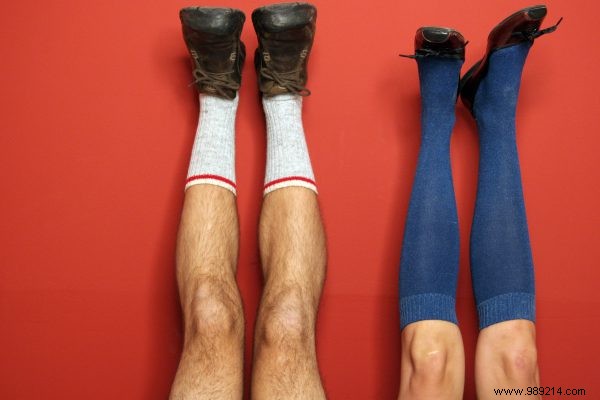
Anyone who's experienced restless legs syndrome (RLS) knows the frustration of that irresistible urge to move. The good news? Proven strategies can help alleviate symptoms and improve your sleep.
The exact cause of RLS remains unclear, complicating treatment. However, a reliable approach is to override the discomfort with contrasting sensations like cold or heat, a technique supported by clinical experience.
Keep cold compresses, such as this one, bedside and apply to your legs. Alternate hot and cold showers, walk barefoot on a cool floor, or even lie on it for intense relief.


RLS often prompts you out of bed to move. To prevent flare-ups, build movement into your daily routine proactively.
Exercise regularly throughout the day, not just during symptoms. Opt for long walks a few times weekly, bike to work, or try running.
Research consistently links RLS to iron deficiency. A Swedish study of 946 regular blood donors (with reduced iron stores) found 15% of men and 25% of women affected. Consider iron elixirs or supplements, but consult a doctor—excess iron can cause constipation. Pair iron-rich meals with extra vitamin C for better absorption.
Aim for the recommended daily allowance (15 mg for women) through iron-rich foods like nuts and leafy greens, or supplements tailored to your needs and symptom severity.

RLS disrupts sleep, and poor sleep worsens RLS—a vicious cycle. Prioritizing sleep hygiene is essential for long-term management.
Maintain fixed bed and wake times daily, even weekends, to stabilize your circadian rhythm and hormone balance. Darken and quiet your bedroom to signal rest. Pro tip: Replace your pillow every few years for optimal support.
By Caroline Walenkamp, Images: Getty Images
