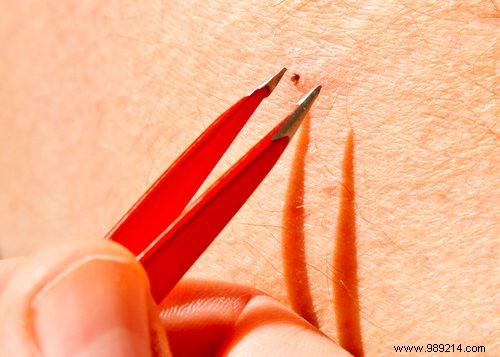
Removing a tick promptly significantly lowers the risk of transmitting disease-causing bacteria and developing Lyme disease.
Not always a red circle
The classic red ring on the skin is the most recognized sign of a tick bite, but it doesn't always appear that way. Sometimes there's no ring at all. Research indicates that one in three people develop a uniform spot, often mistaken for other skin issues. A key indicator is that the spot enlarges over time after the bite.
Stay vigilant for tick bites
Quick detection reduces infection risk, though it doesn't eliminate it entirely. After spending time in nature, parks, or grassy areas, thoroughly check preferred tick attachment sites like the groin, back of the knees, armpits, hairline, and behind the ears. Ticks can latch anywhere on the body.
The real impact of Lyme disease
During Tick Week, we're raising awareness about Lyme disease to prevent missteps in recognition and treatment. Blogger Lisanne, who lives with chronic Lyme, shares daily vlogs on her experiences and the condition's effects. Watch them on Lisanneleeft.nl.
Read also
I have a tick bite, what now?
How do you remove a tick with tweezers?
Tick bite: this is what the drugstore advises
