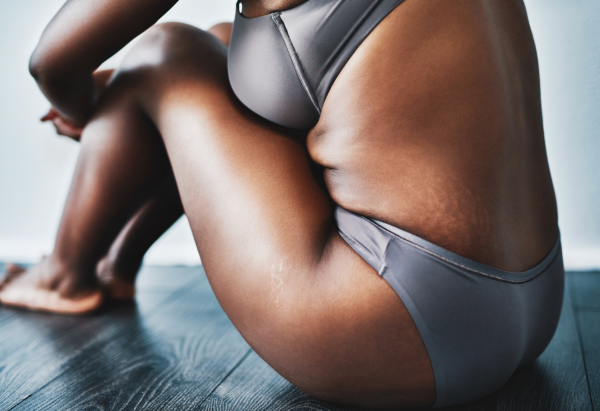
We encounter our bodies daily, yet most of us know so little about them. It's time to change that. German gynecologist Sheila de Liz, aged 51, authored a book on the female body. Santé invited her to share her expertise.
"I actually have two roles," Sheila de Liz laughs. "Foreground: gynecologist. Background: women's coach. Women often blame themselves first—if pregnancy doesn't happen quickly, or if orgasm eludes during sex, we assume it's our fault. But maybe your partner doesn't know your needs. That's not entirely his fault. Limited body knowledge makes us vulnerable to self-doubt. If we advocate for our needs, life gets easier."
"It's shocking how little is known about female anatomy—even by doctors. In medical school, the clitoris was taught as a small nub, but it's just the tip of a vast, pyramid-shaped organ beneath the skin. Discovered in 1998—after heart transplants and sheep cloning—this highlights science's neglect of the female body. Many doctors still mistakenly believe the vagina is the primary orgasm trigger."
"Yes. Many dislike their genitals, thinking something's wrong. But one labia larger than the other is normal in most women. Shaving makes differences more visible, and porn promotes unrealistic 'Barbie' looks—often surgically altered, not natural."
"Very common. It's not that women enjoy sex less; misconceptions abound about female arousal. Spontaneous desire rarely exists beyond early relationships. Women are like ovens: it takes time to heat up. Men are microwaves: instant. Men bond through sex; women need connection first. After a stressful day, kids, or pet messes, sex isn't top of mind. Rejection feels personal to him. Foreplay is key—like playing a piano: hit all keys. Compliments, messages, kisses on neck, earlobes, breasts—not just goal-oriented. Most women need buildup, though not always elaborate."
Read also: Boring sex life? You can do this according to an expert
"No. Your mother might have said it's 'just part of being a woman,' but severe symptoms warrant checks. Extreme pain could signal endometriosis, treatable. If periods disrupt life—causing sickness, heavy bleeding confining you home—or worsen over time, seek help."
"Partially. The pill is safe and effective short-term, but not lifelong. Match contraception to life stages: no fertility apps for teens, copper IUDs can hurt initially. After years on the pill, reassess—thrombosis risk rises with age. No perfect method exists; find what fits now. For no more kids, sterilization (his or yours) is ideal."
"Yes. Modern bioidentical hormones mirror your body's pre-menopause output—no cancer risk increase. Recent studies show lower breast cancer rates and longer life for users. Women now live to 90-100; untreated symptoms harm health. All gynecologists should recommend this."
"Shocking! In Germany, annual gyno visits are routine, like dentistry. Embarrassment is universal—even for me—but skipping exams is dangerous. I should learn Dutch and educate there."
"Much—hence my book. My 15-year-old hasn't read it yet: 'I know it all, Mom.' Build confidence without projecting your story. She's unique DNA. Don't pass on shame. When she bought condoms, I reacted poorly; she was responsible. Stay open, positive for her story."
Read also: Pain during sex? You can do this according to a sexologist
