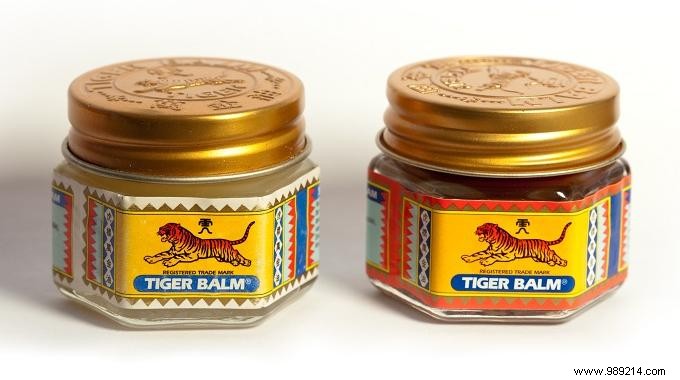
Tiger Balm, in white or red varieties, is a time-tested remedy with proven benefits. Keep it handy for everyday relief—available at pharmacies and online.
It effectively eases tendonitis and many other discomforts.
Explore its origins, ingredients, key uses, and application tips below.
 Contents
Developed in 1870 by a Burmese herbalist using a traditional Chinese pharmacopoeia recipe, Tiger Balm is now a global staple under its English name.
Exercise caution when buying, as counterfeit versions from Asia are common.
Tiger Balm features camphor for analgesic and antimicrobial effects, plus mint, clove oil, paraffin, eucalyptus oil (white version), or cinnamon (red).

1. Relieve bruises
2. Ease muscle problems
3. Treat rheumatism
4. Relieve migraines
5. Clear the airways
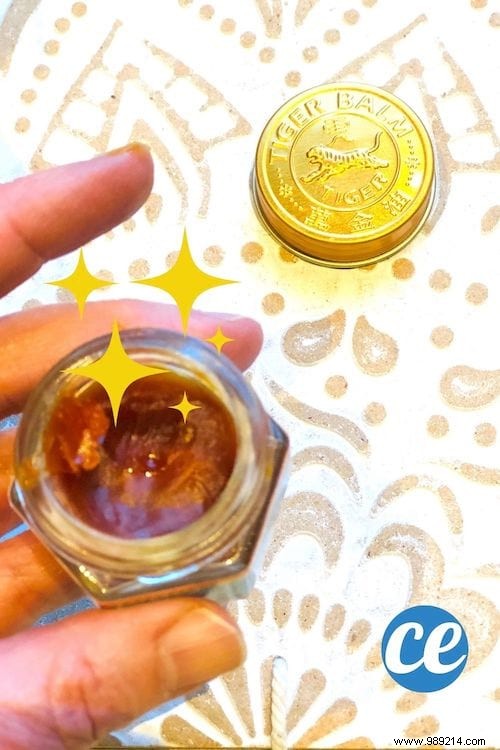
Massage or rub onto clean, dry skin over bruises, muscle pains, or rheumatism areas.
For migraines, severe colds, or respiratory issues, apply to temples, chest, and/or back.
Follow package leaflet for dosage.
These are the core benefits and applications of Tiger Balm.
You can buy Red Tiger Balm online here.
