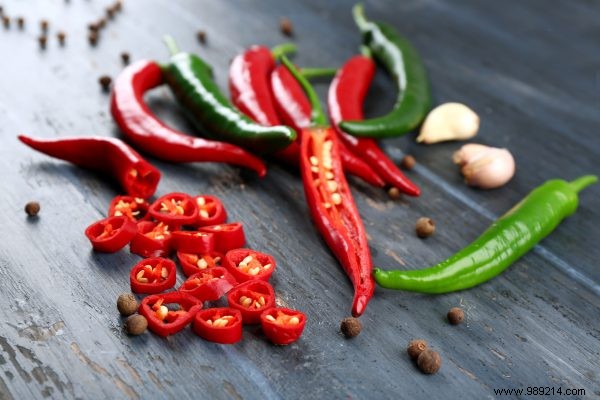
Spicy and hot foods are a favorite for many, but they can leave others sweating at the mere thought. Ever wondered why eating them triggers that unexpected perspiration?
Not spicy enough? You'll be surprised how mild preferences can be—even in places like the Netherlands, where 'hot' food is tame compared to warmer climates. There, adding extra chili to salads or fiery herbs to curry is everyday fare.
Also read: '7 creative ways to eat kale'
Hot peppers contain capsaicin, a compound that activates specific receptors in your skin, mimicking the signal of high temperatures. This tricks your sweat glands into action, just like on a scorching summer day.
Your tongue reacts too: capsaicin stimulates pain receptors, creating that intense (yet oddly enjoyable) burning sensation. It's harmless, but skip the water—opt for milk instead. Milk proteins bind to capsaicin, neutralizing it. Greasy foods like prawn crackers work similarly thanks to their oils.
The world's hottest pepper, the Carolina Reaper, averages 1,569,300 Scoville Heat Units (SHU), with peaks up to 2.2 million. For context: sambal oelek is around 2,000 SHU, Tabasco about 5,000, and jalapeños range from 2,500 to 30,000. Many find 500-1,000 SHU plenty spicy.
