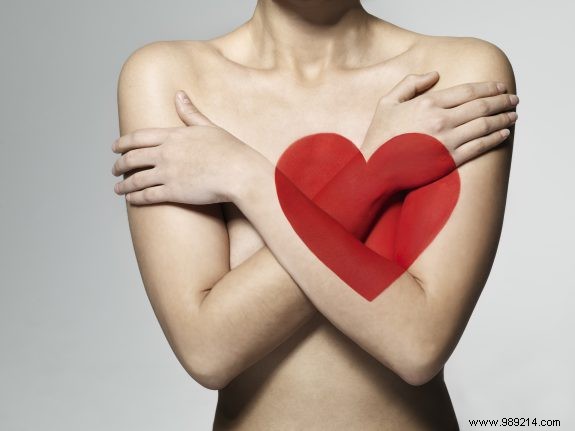
A woman's heart functions differently from a man's, which is why this comprehensive guide covers everything you need to know about female heart health, how to maintain peak condition, and common misconceptions to dispel.
Heart problems might seem distant—like something affecting your elderly neighbor or overweight uncle—rather than fit, active women. Cardiologist Janneke Wittekoek, founder of HeartLife Clinics and a leading expert in women's cardiovascular disease with 15 years of dedicated advocacy, urges otherwise. Cardiovascular disease is the leading cause of death for women worldwide, claiming 55 lives daily in the Netherlands alone—more women than men.
Read also: 'This is how you keep your heart in top condition'
"More women than men die from it in the Netherlands," says Wittekoek. Historically, heart attacks were a man's issue due to smoking, high-stress jobs, and sedentary lifestyles post-driver's license. But emancipation brought women similar risks: smoking, demanding careers, and car dependency over walking or cycling. These factors explain the rising toll on women.
The wake-up call came in the 1990s when women's cardiovascular death rates climbed while men's fell thanks to better treatments. This sparked research revealing distinctly different symptom patterns in women.
Anatomically, women's hearts mirror men's—two atria, two ventricles, four valves. Yet symptoms differ strikingly, often leading to misdiagnosis. "Men typically report chest pressure or cramping," Wittekoek explains. "Women often feel pain between the shoulder blades—like a too-tight bra—shortness of breath, or profound fatigue, mistaken for PMS or menopause."
Even tests can miss issues: women with minor atherosclerosis may suffer small-vessel spasms, causing severe symptoms that resolve with ambulance meds. Hospital EKGs and angiograms appear normal, sending women home to 'rest'—only for symptoms to recur weeks later.
Like elusive migraines, early recognition is vital. "Most cardiology protocols stem from male studies," Wittekoek notes. "Treatments effective for men can backfire for women, causing more side effects or overdosing, prompting early discontinuation—yet leaving them at high heart attack risk."
Read also: 'Readers about their heart problems'
Wittekoek's mission at HeartLife Clinics is timely detection and treatment for women. Patients often cycle through GPs and ERs, arriving with antidepressants or antacids, overweight from exercise avoidance due to cramps, anxious, and unhappy. "We break this vicious cycle, restoring fitness," she says.
Many suffer small-vessel spasms from risk factors like hypertension, high cholesterol, stress, or diabetes. Treatment starts with lifestyle: reduced stress, more movement, better nutrition—plus meds if needed.
Read also: 'Heart for your heart: 3 questions for the GP'
Results transform lives. "We see women reclaim health," Wittekoek affirms. "Early intervention controls risks best. Track your blood pressure, cholesterol, BMI. Get a home monitor or annual check-up. Lucky ones get recognizable symptoms; unlucky face sudden fatal attacks. Take charge—report issues immediately."
Source: Santé June 2019, text Fleur Baxmeier
