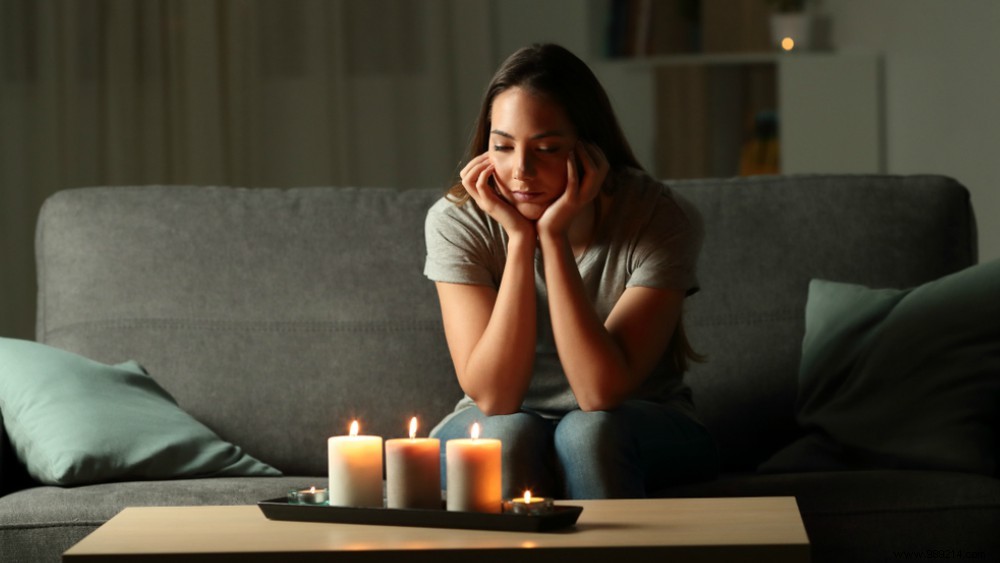
As winter approaches, days grow shorter and light exposure diminishes, worsening the effects of insufficient light on your health.
The reduced daylight impacts your mood and sleep quality, potentially leading to broader health issues. Experts emphasize the critical role of light for well-being, as reported by RTLnieuws.nl.
Read also: '4 signs that you have a strong biological clock'
Chronobiologist Marijke Gordijn from University Medical Center Groningen explains: "It's about sleep quality. Poor sleep disrupts hormone balance, increasing risks like obesity."
She notes direct links between the eyes and brain areas controlling mood: "Insufficient light negatively affects mood and can contribute to depression."
Gordijn offers practical advice: "Maximize daylight intake or boost indoor lighting intensity."
