Variety fuels a balanced diet, yet certain powerhouse foods pack such potent nutrition that they warrant a weekly rotation on your plate.
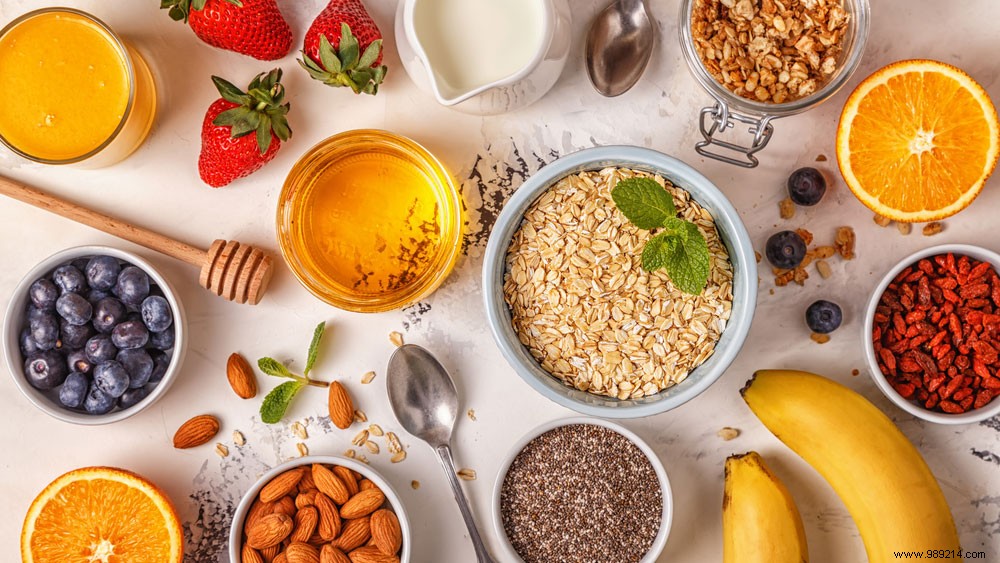
Blueberries brim with antioxidants that combat free radicals—unstable molecules linked to skin aging and diseases like cancer. Plus, their high fiber and vitamin C content promote smooth digestion and robust immunity.
Kidney beans, white beans, black beans, capuchin beans, lima beans, lentils, chickpeas, and soybeans deliver plant-based protein, iron, and B vitamins B1 and B2. Count in hummus from chickpeas, and tempeh or tofu from soybeans.
Craving sweets? Opt for dark chocolate—at least 80% cocoa. Its flavonoids enhance blood vessel flexibility, making it a smart, heart-healthy indulgence. Cocoa powder and raw cacao offer similar perks.
Fatty fish provide essential omega-3s—the fattier, the better (over 10% fat qualifies). Herring stands out with abundant protein and vitamins A, B2, B6, B11, B12, C, and D—a rare natural source of the latter.
Ginger supplies vitamins B1, B2, B6, and C, alongside sodium, potassium, calcium, and magnesium. B vitamins fuel energy; B6 aids metabolism; C bolsters flu resistance. Minerals balance fluids, blood pressure, oxygen transport, and muscle relaxation.
Quinoa's seeds boast over 16% protein—nearly double that of wheat or brown rice. Rich in fiber, magnesium, copper, B vitamins, vitamin E, and iron, it's ideal for energizing, muscle-repairing post-workout meals.
Oats offer slow-release carbs that sustain fullness without blood sugar spikes—perfect for breakfast. Loaded with fiber and B vitamins, stick to whole, unsweetened oats free of dried fruits or additives.
One broccoli stalk delivers vitamins A, B, C, E, and K, plus minerals like calcium, potassium, phosphorus, beta-carotene, zinc, iron, copper, and sulforaphane.
For active non-vegetarians, chicken (or turkey) shines around workouts with superior protein and vitamin B6. This supports metabolism and amino acid breakdown/buildup—the foundation of muscle repair.
Avocados stand out with higher protein than most fruits, minimal sugar, and loads of healthy fats, fiber, minerals, and vitamins B5, B6, and C. They stabilize blood sugar for lasting satiety and fewer snack urges.
Even superfoods have limits. Daily avocados add excess calories from fats, despite their benefits, and their long-distance sourcing raises environmental concerns. Rotate wisely: avocados one day, nuts the next; chicken today, legumes tomorrow. This ensures variety and sustainability.
This article previously appeared in the April 2018 issue. Text: Loes van de Mosselaar | Image: Shutterstock
