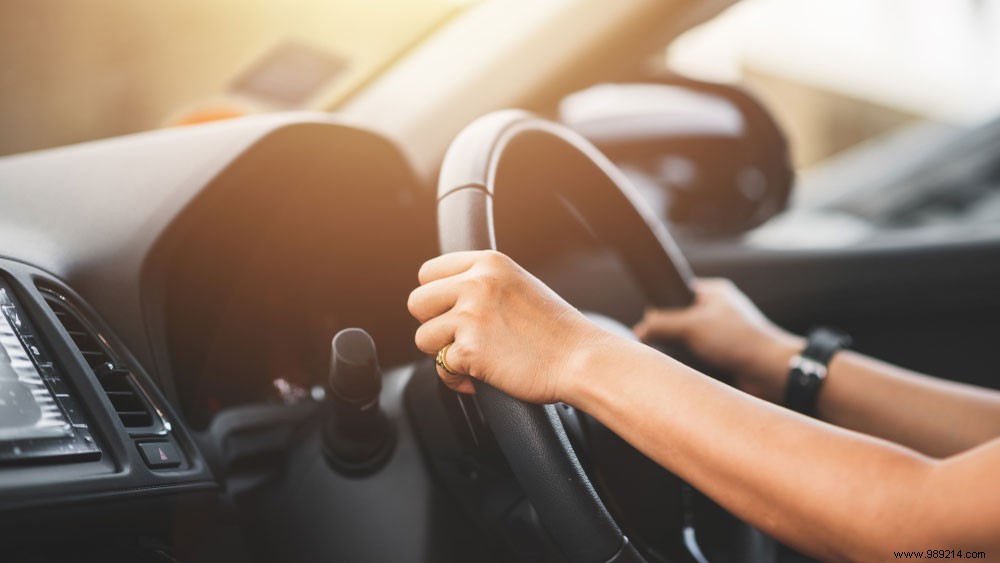
Ever feel queasy as a passenger but perfectly fine behind the wheel? You're not alone—this common experience has a solid scientific basis.
Many people battle motion sickness in cars driven by others, yet it rarely strikes when they're in control. As experts in vestibular health note, it's all about anticipation and self-control.
Read also: Tips against motion sickness
Your vestibular system, the inner ear's balance center, keeps you oriented. When driving, you dictate the movements—accelerating, turning, braking—allowing your system to anticipate and adapt seamlessly, avoiding sensory conflicts.
As a passenger, you see turns coming but lack control, so your vestibular signals lag behind visual cues. This mismatch triggers nausea. Studies confirm drivers experience far less motion sickness due to this predictive edge.
Read also: Does cola help with nausea?
