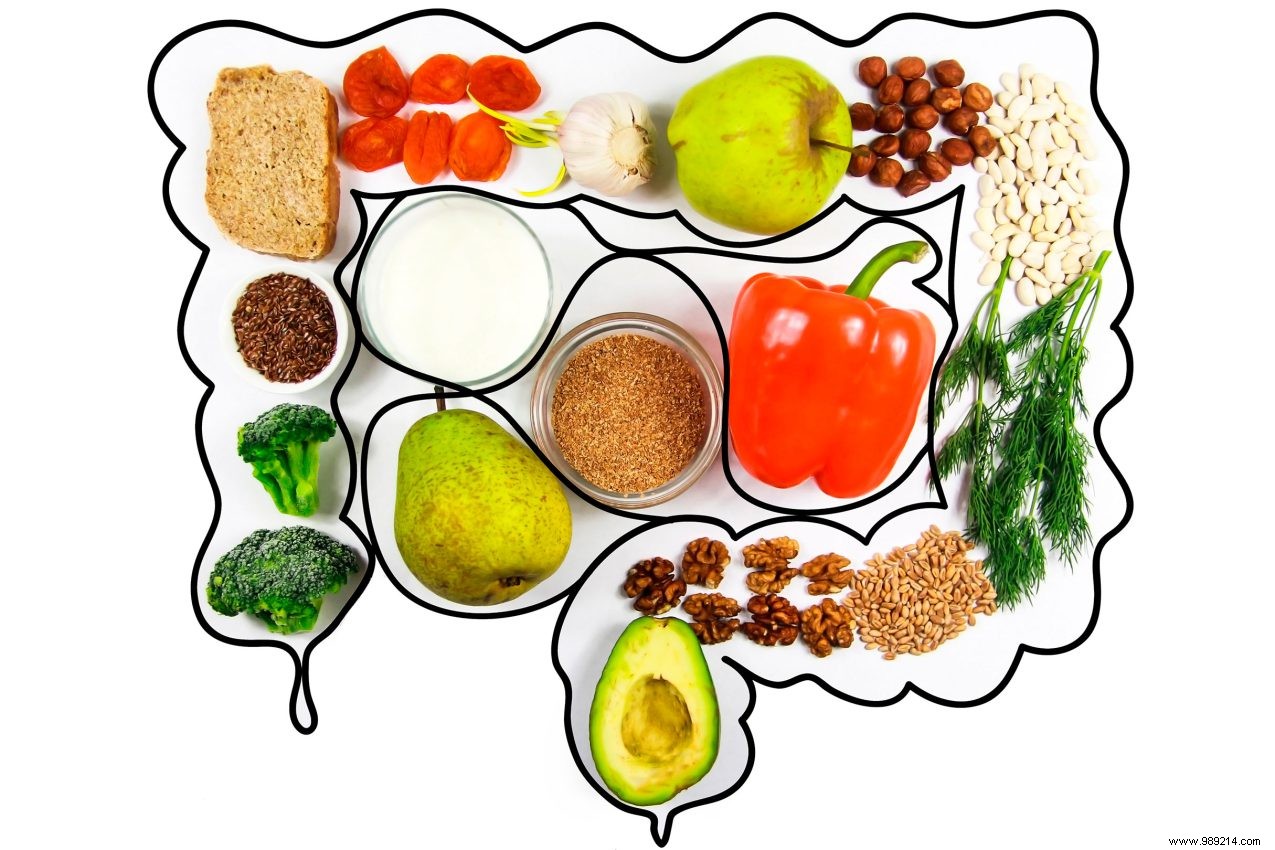
Your digestive system is a remarkable, efficient process that profoundly influences your overall health and well-being. Here's how it works, step by step.
Improving digestion starts with understanding its mechanics.
1. Digestion begins in the mouth as saliva moistens and starts breaking down food. Your tongue pushes the bolus into the esophagus.
2. Once swallowed, food travels down the esophagus, propelled toward the stomach by muscle contractions through the lower esophageal sphincter.
3. Nutrients absorbed into the bloodstream reach the liver, which processes them into energy or building materials, produces bile for fat digestion, and neutralizes toxins like alcohol.
4. The stomach churns food, mixing it with gastric juice—hydrochloric acid and enzymes. The acid kills harmful bacteria, while enzymes begin digestion. Chyme passes gradually through the pyloric sphincter into the small intestine.
5. The gallbladder stores bile between meals. Fatty foods trigger its release into the small intestine, aiding enzymes in fat breakdown.
6. In the small intestine, pancreatic and gallbladder enzymes break food into absorbable nutrients that enter the bloodstream via the intestinal wall. Indigestible remnants proceed to the large intestine, forming feces.
7. Starting as watery mush, colon contents lose water and salts, compacting into solid stool stored in the rectum. Fullness signals the brain for defecation.
8. Pancreatic juice supplies enzymes for digesting carbs, proteins, and fats into absorbable forms. The pancreas also produces insulin and glucagon to balance blood sugar.
This complex system fuels your body. For tips on optimizing digestion, see the October issue of Santé. Subscribe now for home delivery—check our offers.
