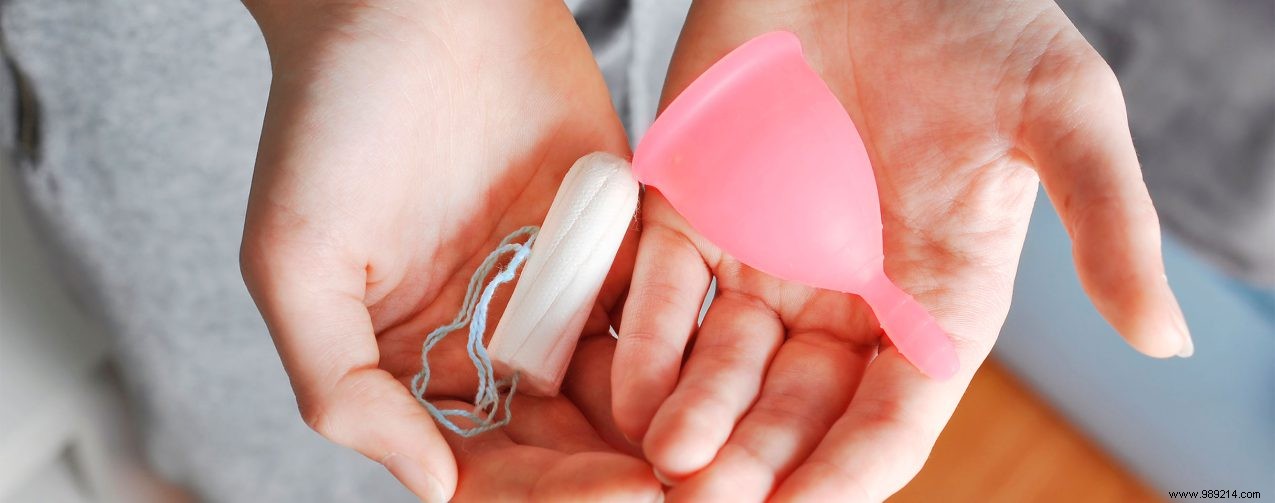
Toxic Shock Syndrome (TSS), often called 'tampon disease,' raises concerns for menstrual product users. But is there a risk with menstrual cups?
What is Toxic Shock Syndrome (TSS)? TSS is a rare but serious infection caused by Staphylococcus aureus bacteria, which naturally occurs in the body. In certain conditions, it can lead to infections like impetigo, acne, sepsis, or pneumonia. While it affects both men and women, about half of cases involve menstruating women.
Why 'tampon disease'? The nickname stems from cases linked to tampons left in too long, allowing the bacteria to produce toxins that enter the bloodstream and trigger TSS.
TSS symptoms
Symptoms can appear suddenly: high fever, headache, nausea, sunburn-like rash, diarrhea, muscle aches, vomiting, dizziness, fainting, and low blood pressure. TSS can be life-threatening, so vigilance is key.
Menstrual cups and TSS risk Menstrual cups have surged in popularity, but reports on TSS risk vary. Some sources deem them safe, while others suggest higher risks than tampons. A handful of TSS cases have been linked to cups, as the bacteria is present naturally and can enter via wounds. No menstrual product is risk-free.
Prioritize hygiene for safety
Minimize TSS risk by following guidelines: don't exceed recommended wear times for cups or tampons, select reputable products, and thoroughly clean and disinfect your cup. Always use clean hands for insertion—hand bacteria levels exceed those in the vagina. Though rare, TSS demands awareness of symptoms.
