
Who hasn't experienced the agony of a severe migraine? For many, these headaches become chronic, disrupting daily life. Drawing from my own experience with episodic migraines—and the insights I gained from reliable sources like Doctor Click—I've compiled this comprehensive guide to help you understand and effectively manage headaches.
Statistics show nearly five million French people suffer from migraines regularly, affecting all ages and genders. While generally benign, migraines can be profoundly debilitating. I know firsthand; I endured months of episodes until identifying triggers brought relief.
Common triggers include stress, sleep deprivation, fatigue, excessive alcohol, extreme temperatures, certain foods, and cigarette smoke. Triggers vary by individual. Symptoms often involve throbbing head pain, sensitivity to light and sound, irritability, mood changes, and neck stiffness.
Exercise caution if headaches follow head trauma, physical exertion, or sneezing. Seek immediate medical help if accompanied by vision loss, fainting, or walking difficulties, as these may signal a serious condition. In my case, ophthalmic migraines caused intense left-sided pain, cold sweats, and nausea.
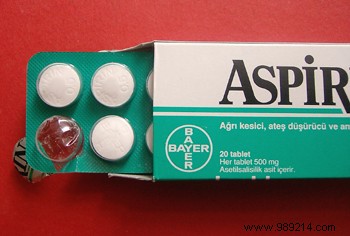
For most headaches, over-the-counter analgesics like aspirin or paracetamol provide quick relief. For persistent pain, ibuprofen or other NSAIDs are effective.
For severe or frequent attacks, a doctor may prescribe codeine-based painkillers. Consult a physician if pain lasts over 12-24 hours. While medications have their place, I prefer natural approaches whenever possible.
These strategies worked wonders for me: Caffeine, via strong black coffee or jasmine/chamomomile tea, often eases symptoms. Rest in a dark, quiet room with a cold compress on your forehead is equally powerful. Self-massage your temples and forehead, or try professional options like acupressure, acupuncture, reflexology, or chiropractic care. Aromatherapy with peppermint, lavender, or pine essential oils applied topically can also bring rapid relief.
