Ever heard of the Doctrine of Signatures? This ancient observational method suggests that the shape of certain plants hints at their medicinal benefits—a concept popular in Europe from antiquity through the 18th century. Remarkably, modern science supports similarities between some foods and the organs they benefit. Here's a look at 8 foods that resemble the organs they nourish. Check them out:
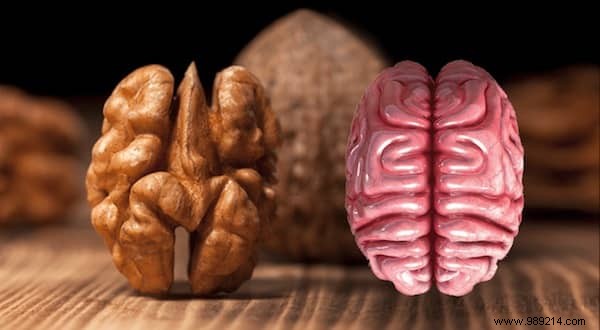
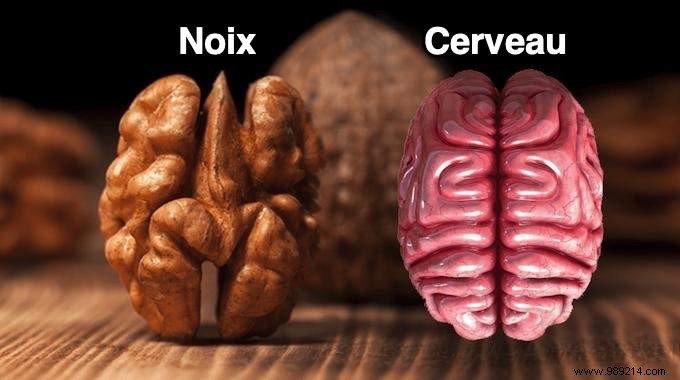
Split a walnut in half, and its kernel closely mirrors the brain's two hemispheres. Research confirms walnuts support brain health: regular consumption enhances memory and cognitive function while protecting neurons from oxidative stress. Rich in phytochemicals and polyunsaturated fatty acids, they combat inflammation and promote neurogenesis through polyphenolic compounds. Studies link walnut intake to reduced risk of degenerative diseases like Alzheimer's and improved mental well-being.
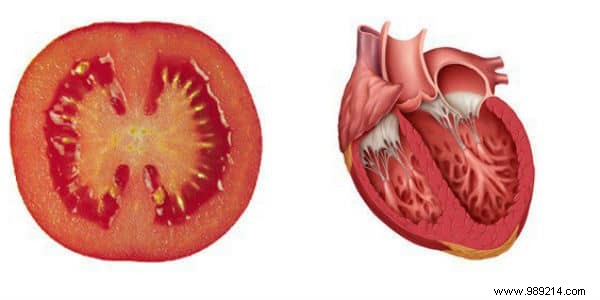
Cut a tomato in half, and it evokes the heart's chambers. Tomatoes owe their red hue to lycopene, a potent antioxidant. A Finnish study found lycopene lowers stroke and ischemic heart risks by improving blood flow. Bonus: cooking enhances lycopene bioavailability—pair with olive oil for even greater heart-protective effects.
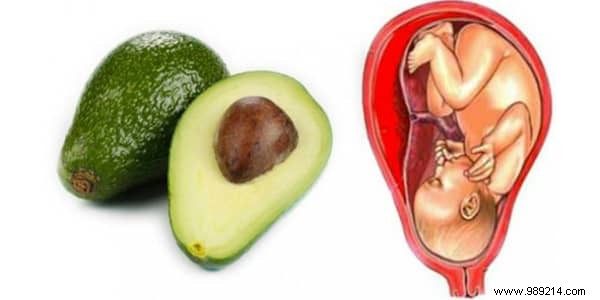
Despite past diet misconceptions, avocados are nutritional powerhouses, especially for pregnant women. Their pear-like shape resembles a uterus. Packed with folate (vitamin B9), they support fetal development and prevent malformations. Avocado also provides vitamin K for blood clotting, bone health, cell growth, and heart protection via anti-inflammatory effects.
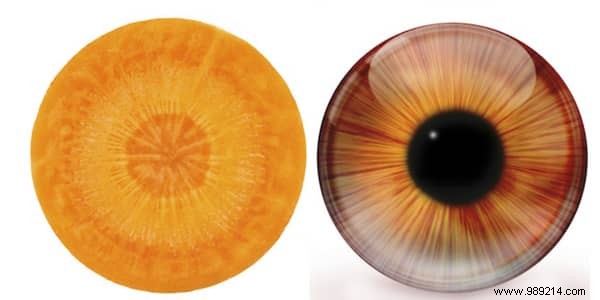
Carrot slices mimic the eye's iris with their radiating fibers. Beyond crunch, they're loaded with beta-carotene, which converts to vitamin A—essential for retinal health and night vision. Research shows diets high in beta-carotene and vitamin A reduce macular degeneration risk.
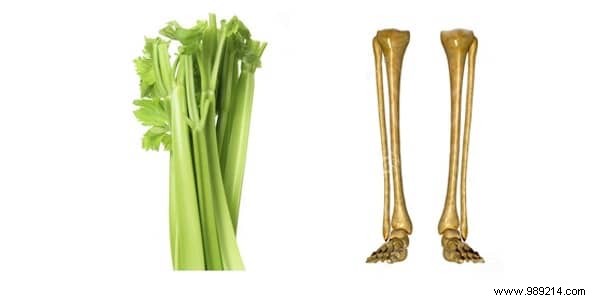
Celery's elongated stalks resemble bones. This hydrating veggie supplies silica, crucial for joint and connective tissue integrity. Silica helps bind calcium and magnesium for stronger bones; alternatives include cereals, legumes, and pectin-rich fruits like bananas and apples.
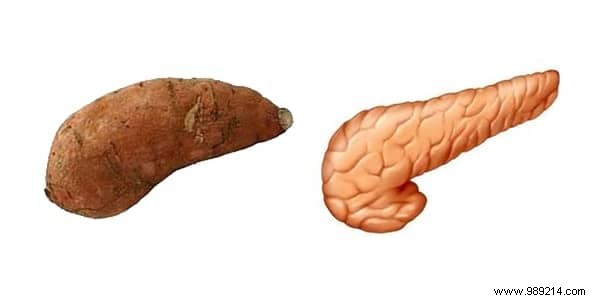
Sweet potatoes mirror the pancreas and aid its function, particularly blood sugar regulation—ideal for diabetics. Their beta-carotene content offers antioxidant protection against tissue damage and pancreatic cancer, while slowing cellular aging. Similar benefits from tomatoes, watermelon, and pink grapefruit.
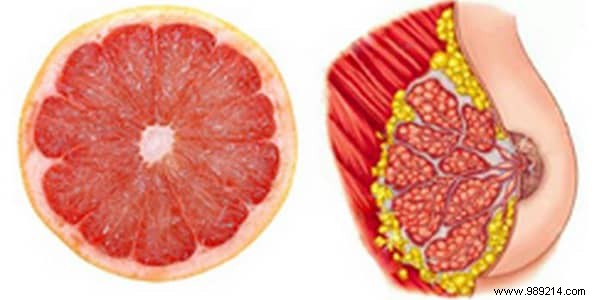
A halved grapefruit resembles breast mammary glands, as do oranges. These citrus fruits support breast health and lymphatic circulation with limonoids and flavonoids. In vitro and animal studies demonstrate their anti-cancer potential, including against breast cancer cells.

Grape clusters echo lung alveoli, where oxygen exchanges with blood. Grape seeds' proanthocyanidins (flavonoid relatives) ease asthma and bronchitis. Regular fresh fruit intake, including grapes, correlates with lower lung cancer risk.
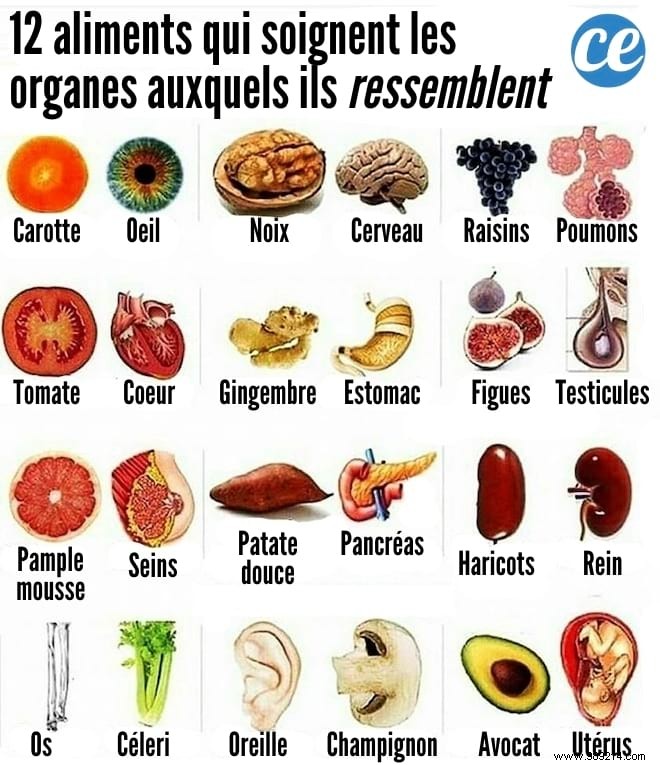
Many more foods mimic organs: mushrooms (ears), ginger (stomach), figs (sperm), olives (kidneys), pulmonaria (lungs), and horsetail (spine).
