
Have you ever wondered why some people seem immune to colds and flu, even during peak winter virus season? Their secret lies in simple, evidence-based habits that fortify the immune system. Drawing from clinical studies and expert insights, here are the 10 habits of those who stay healthy year-round. Read on:

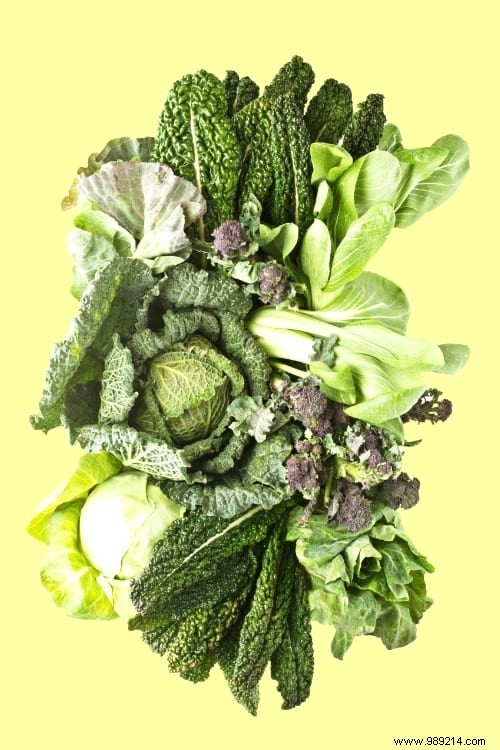
Leafy greens like cabbage, cauliflower, kale, watercress, broccoli, and Brussels sprouts are packed with essential vitamins that support a balanced diet and bolster immune defenses.
Research on mice (source 1) shows that these vegetables trigger a chemical signal activating cell membrane proteins crucial for immune function. Without them, healthy mice lost 70-80% of these proteins.
To discover: The 29 Best Health Foods in the World.
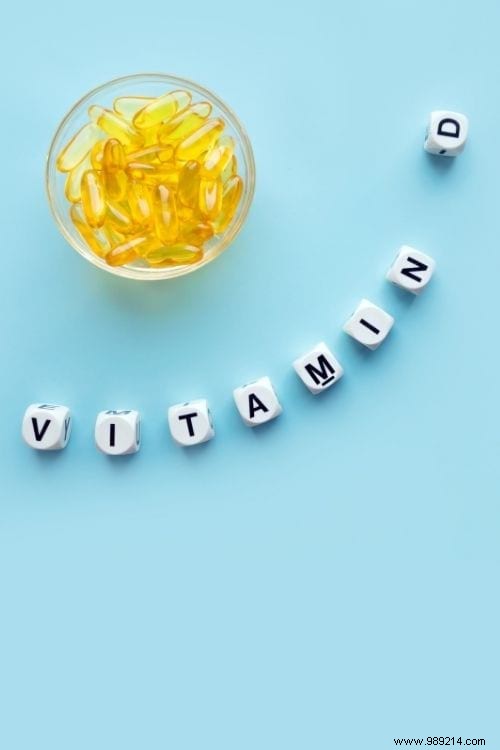
A recent report highlights widespread vitamin D deficiency in France, with only 1 in 4 adults and 3 in 10 children meeting recommended levels (source 2).
Low vitamin D is linked to poor bone health, cardiovascular issues, and weakened immunity. A study in Pediatrics recommends regular checks, especially for children with darker skin who absorb less from sunlight (source 3).
Boost intake with egg yolks, mushrooms, salmon, canned tuna, or beef liver. Supplements like vitamin D3 (cholecalciferol) are more effective than D2.
To discover: Guide to Vitamins: What Are Their Benefits and Which Foods Have the Most?

No need for intense gym sessions—a 15-minute daily walk suffices to reap benefits.
Regular activity maintains fitness and, per a Neurologic Clinics study (source 4), reduces inflammation, lowers stress hormones, and enhances white blood cell circulation to ward off cold symptoms.
To discover: Walking 30 Minutes a Day: The 7 Incredible Benefits Everyone Should Know.

Exposed to a cold virus? Sleep is your best defense. A Archives of Internal Medicine study (source 5) found adults sleeping 8+ hours nightly resist viruses better than those getting under 7 hours.
Deep sleep releases cytokines, proteins that regulate immunity and combat infections.
To discover: How to Fall Asleep in Under 1 Minute with a Simple Breathing Exercise.
Excess alcohol impairs dendritic cells vital for immune responses. A Clinical and Vaccine Immunology study on mice (source 6) showed diminished immunity, explaining reduced vaccine efficacy in heavy drinkers.
To discover: Here's What I Learned by Quitting Drinking Alcohol for 2 Years.

Chronic stress correlates with illness, but effective management improves health, per a National Academy of Sciences study (source 7). Practices like yoga or meditation regulate cortisol, preserving its anti-inflammatory role and immune efficiency.
To discover: 11 Simple Remedies to Eliminate Stress in Just a Few Minutes.

Green tea's flavonoids offer antioxidant power. A Journal of the American College of Nutrition study (source 8) links daily cups to lower blood pressure and cardiovascular risk.
To discover: 11 Green Tea Benefits You Didn't Know About.
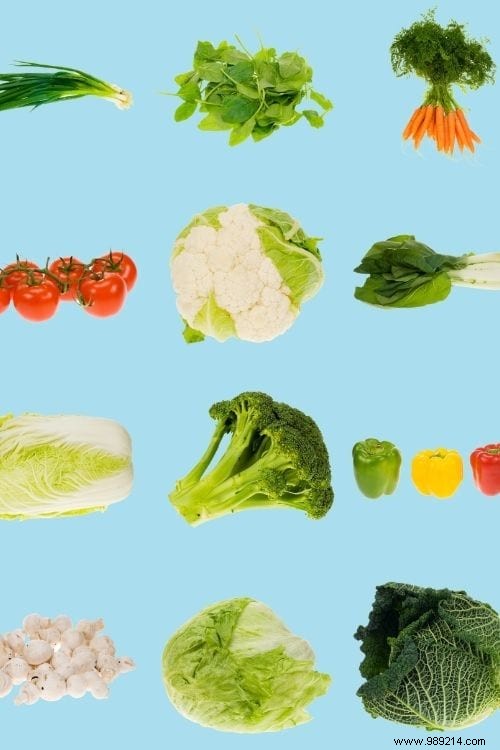
Make meals colorful with fruits, veggies, and legumes for vitamin C and more. An European Journal of Clinical Nutrition study (source 9) confirms it strengthens immunity, especially under stress.
To discover: Practical and Free: The Calendar of Seasonal Fruits and Vegetables.

Social isolation heightens stress and impairs healing, per an American Psychological Association study (source 10). Robust relationships bolster immunity.
To discover: Studies Show That the More Time You Spend with Your Grandmother, the Longer She Will Live.
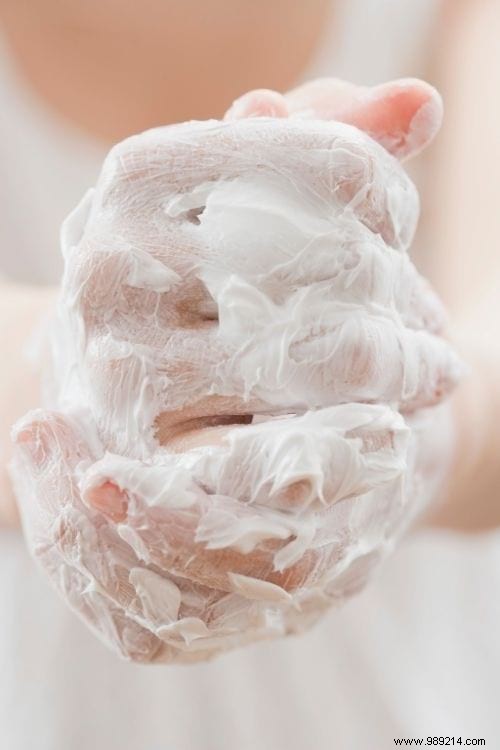
Minimize germ exposure with daily showers, thorough handwashing (20+ seconds), covering coughs, hand sanitizer, and surface disinfection for top-tier personal hygiene.
To discover: Coronavirus: 10 Easy Recipes to Make Your Homemade Hydroalcoholic Gel.
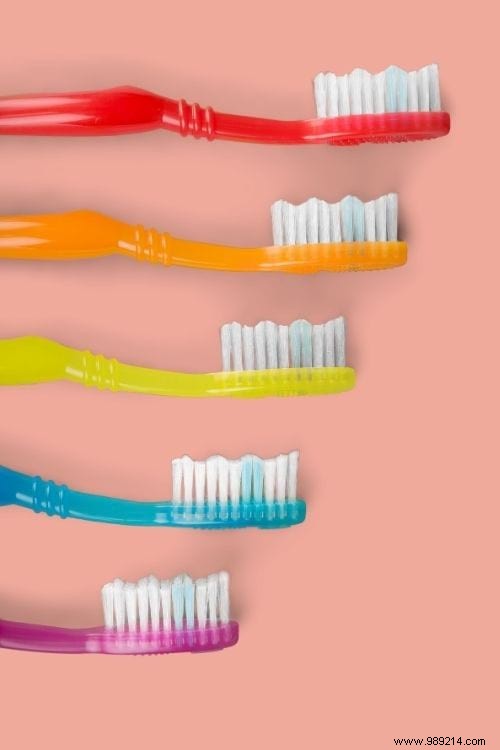
Flu viruses survive 24 hours on surfaces (source 13). Prevent spread by not sharing toothbrushes, towels, cutlery, or glasses; wash items thoroughly.
To discover: The Tip to Easily Wash and Disinfect Your Children's Toys.

Recommended for at-risk groups (source 11), but avoid if allergic to eggs or prior severe reactions. Rare risks include Guillain-Barré syndrome (source 12).
