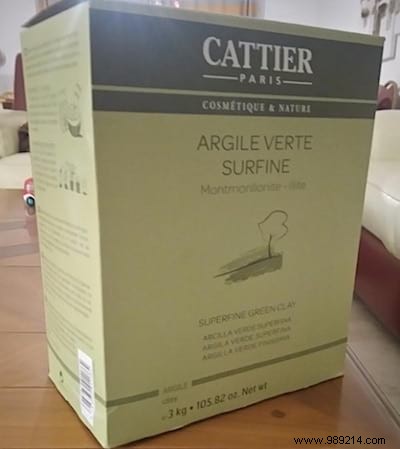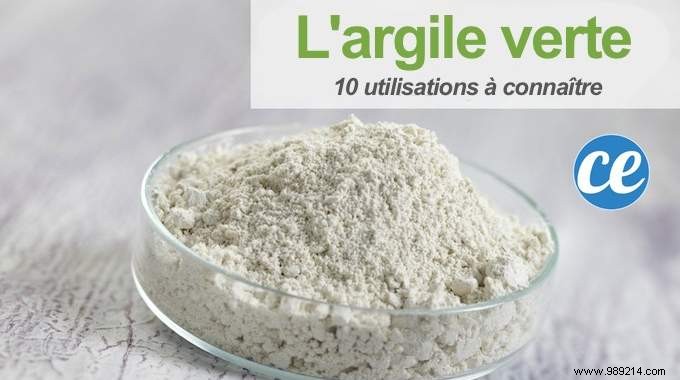
Green clay, also known as montmorillonite, is a natural mineral derived from volcanic ash. For thousands of years, traditional healers have harnessed its absorbent and detoxifying properties to address a wide range of health concerns, from skin issues to digestive discomfort.
As someone who's incorporated green clay into my natural wellness routine for years, I've seen its effectiveness firsthand in promoting clearer skin, healthier hair, and balanced digestion.
 Contents
 Here are 10 practical uses for green clay, backed by its long history in natural medicine. Always source high-quality, food-grade clay for internal use and consult a healthcare professional before trying new remedies.
For soft, voluminous hair, mix 2-3 tablespoons of green clay with an equal amount of filtered water or apple cider vinegar. Apply to damp hair as a mask, leave on for 5 minutes, then rinse thoroughly.
If using water, follow with a rinse of diluted apple cider vinegar to prevent dryness and add shine.
Green clay excels at tightening and toning skin by absorbing excess sebum and impurities. Mix 2-3 tablespoons with water or apple cider vinegar to form a paste.
Apply evenly to clean face, let dry for 10-15 minutes (expect a gentle tightening sensation), then rinse with lukewarm water. Follow with a moisturizer. Use 1-2 times weekly for optimal results.
Add 1-2 cups of green clay to bathwater and soak for 20 minutes. Its electromagnetic properties help draw toxins from the skin, targeting areas with higher toxin buildup.
Rinse off any residue with a washcloth afterward for smooth, refreshed skin.
Green clay absorbs underarm moisture effectively without the chemicals in commercial antiperspirants. It neutralizes odors and suits sensitive skin.
Apply a small amount directly to dry underarms. For fragrance, add a few drops of lavender essential oil.
Beyond detoxifying the mouth, green clay remineralizes teeth with essential minerals. Mix into a paste for daily brushing to strengthen enamel naturally.
Mix green clay with water into a paste and apply to the affected area. Cover with plastic wrap or damp gauze to keep moist, changing every 2 hours as needed.
Mix 1 teaspoon of green clay in a large glass of water; let soak for 30 minutes, then drink. Follow with a plain water glass to aid passage.
Precaution: Stick to the recommended amount to avoid constipation.
Green clay binds to viruses, pesticides, and heavy metals. Mix 1/2 teaspoon in a large glass of water and consume. Seek medical advice if symptoms persist.
For insect bites, chickenpox, or rashes, apply a clay-water paste, let dry, and rinse once flaked off.
Combat toxin buildup causing headaches, fatigue, or allergies by adding 1 teaspoon to smoothies or food. Hydrate well afterward.
Avoid internal use if you have high blood pressure, constipation, hernia, are on medications, pregnant, or a child. Consult your doctor first.
For internal use: Stomach aches, indigestion, acid reflux, constipation, diarrhea, heartburn, pH balance (highly alkalizing).
For external use: Bruises, bee stings, insect bites, burns, cuts, hair care, skin care.
Composed of negative ions, green clay attracts positively charged toxins and heavy metals like a magnet, facilitating their elimination from the body.
For high-quality green clay at an affordable price, consider reputable sources like the one I use daily: