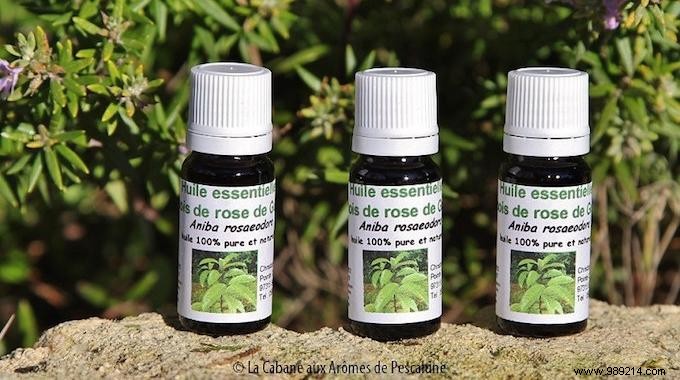
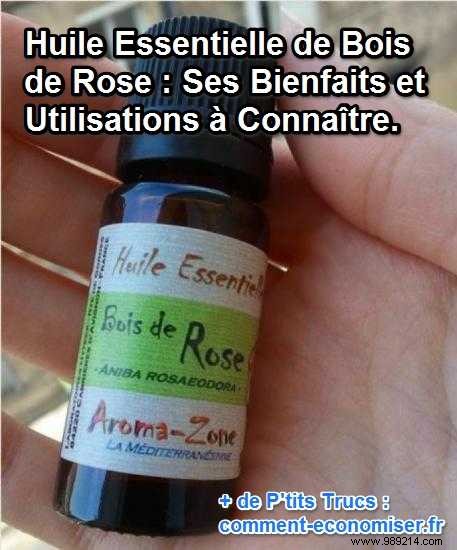
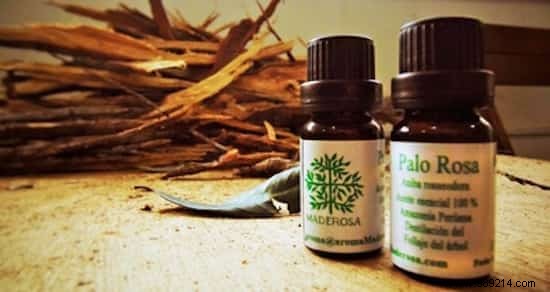
Rosewood essential oil immediately brings to mind the delicate allure of roses, with its sweet, floral fragrance. Yet, its aroma is even more potent—woody, sweet, and intensely captivating. Beneath this inviting scent lies a powerhouse essential oil with remarkable therapeutic properties.
Renowned for its antiviral, anti-infectious, and antiseptic qualities, rosewood essential oil stands as a strong defense against germs and bacteria. Here's what you need to know:
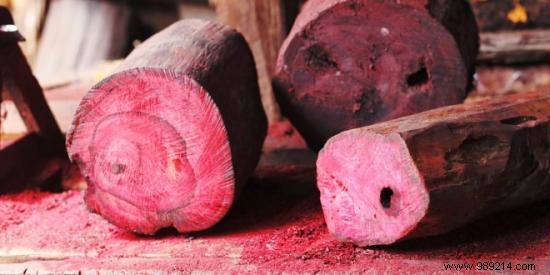
Despite its name, rosewood (Aniba rosaeodora) has no relation to roses. The poetic moniker comes from its rose-like fragrance and the beautiful pinkish hue of its wood bark.
This small tree from the Lauraceae family thrives in the Amazon rainforest's tropical latitudes. Featuring evergreen foliage and vibrant yellow flowers, its flowers and wood bark are steam-distilled to produce the essential oil.
As a skincare expert would attest, rosewood essential oil is ideal for all skin types, especially dry and sensitive ones. It's exceptional for skin and hair care, promoting radiance and vitality.
Beyond beauty, it combats fatigue, stress, insomnia, and mild depression. Its antiviral, antibacterial, and antiseptic properties bolster immunity and help treat issues like vaginal infections.
Though less renowned than ylang-ylang, it also serves as a natural aphrodisiac.
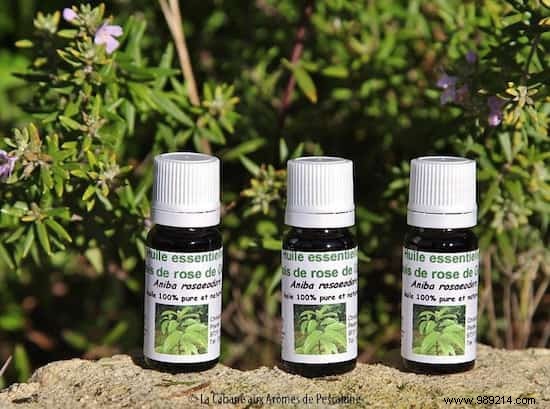
Use it pure or diluted. It pairs beautifully with carrier oils like sweet almond, apricot, or jojoba, imparting a subtle, luxurious scent.
Add a few drops to your bath for restful sleep, apply diluted for relaxing massages, or diffuse to ease depression and nervous tension.
Suitable for all skin types but ideal for dry and sensitive skin, this quick treatment delivers glowing results: Mix 2 drops of rosewood essential oil into a small amount of your daily moisturizer and apply to your face.
With its proven healing properties, rosewood helps minimize acne scars or stretch marks. In a bowl, combine 50 ml of borage, evening primrose, or jojoba oil with 5 drops of rosewood essential oil. Massage into scars twice daily until absorbed, continuing until improvement is visible.
From the 17th to 18th centuries, rosewood was prized for marquetry furniture like chests of drawers. Such pieces are now valuable antiques—cherish any family heirlooms.
Overexploitation for woodworking and perfumery led to its protected status. Today, distillation often favors flowers over wood, and Ho wood essential oil—with similar benefits—is a sustainable alternative.
