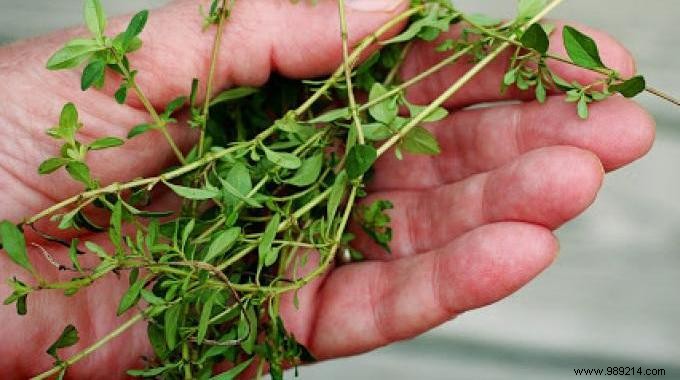
Thyme essential oil is a trusted natural ally for both cooking and health, backed by centuries of traditional use and modern research.
This resilient herb thrives with minimal care—just plenty of sunshine—and delivers far more than its signature Provençal flavor. Beneath its culinary appeal lies potent antiseptic properties.
Thyme essential oil stands out as a powerful defense against viruses, bacteria, microbes, and respiratory infections.
Discover its key benefits and practical applications below:
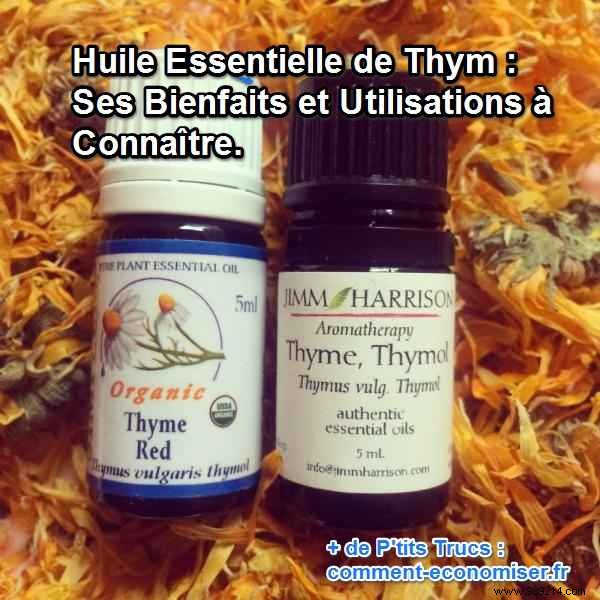
Native to the Mediterranean basin, thyme belongs to the Lamiaceae family. Its essential oil is steam-distilled from the small flowers and leaves.
While renowned for its taste, thyme's health benefits shine brightest in essential oil form, drawing on its rich tradition in herbal medicine.
As a premier antiseptic, thyme essential oil combats germs effectively. It's also antifungal, bactericidal, and antiviral.
It bolsters immune defenses, enhances blood circulation, stimulates appetite, aids digestion, and helps eliminate intestinal gases.
Thyme essential oil works well for both internal and external applications.
For internal use, incorporate it into cooked dishes, inhale via steam, or diffuse it with an essential oil diffuser.
For external use, add drops to baths, massages, or friction rubs. Always dilute before direct skin application to avoid irritation from its potency.
It pairs beautifully with lavender, Scots pine, or lemon essential oils.
Against Cold Symptoms
As soon as you feel fatigued or feverish, turn to thyme essential oil. Boil water and mix 1 drop of linalool thyme or thujanol thyme essential oil with 1 drop of true lavender essential oil in a bowl.
Pour in the hot water, lean over the bowl, cover your head with a towel, and inhale deeply for 5 minutes.
To Treat Warts
Apply a drop of essential oil to the wart using a cotton swab, then cover with a bandage. Repeat daily until the wart disappears.
Thyme essential oils vary by chemotype: thymol chemotype and linalool or thujanol chemotypes.
Thymol chemotype thyme essential oil is highly antiviral but potent—use cautiously, especially internally, as it may be liver-toxic. Externally, it can irritate skin and mucous membranes.
Linalool and thujanol chemotypes are gentler for internal or external use. After a patch test, these are preferable, particularly for ingestion, and are the ones recommended here.
