Wearing a face mask all day isn't easy—especially at work. Challenges like difficult breathing, irritating elastics, facial pimples, foggy glasses, and headaches are common.
Whether it's a disposable, cloth, or homemade mask, prolonged wear can feel unpleasant. Yet it's often required for long hours in offices or public spaces.
Fortunately, these 8 expert-backed tips can help you tolerate your mask comfortably all day. Read on:
Sometimes, masks make breathing feel restricted—and that's uncomfortable. If you're struggling, your mask might not fit properly.
According to the Robert-Sauvé Institute for Occupational Health and Safety Research (IRSST) in Canada, "selecting a mask that matches your face shape and size reduces discomfort significantly."
Experiment with disposable surgical masks or cloth options to find your best fit. Many find paper masks more breathable.
Test fit with the candle method: Light a candle, wear your mask, and try to blow it out. If successful, it doesn't filter enough. If the flame doesn't budge, it's too thick—explaining breathing issues.
We often instinctively mouth-breathe for more air, but this increases mask humidity—unpleasant and counterproductive.
The IRSST recommends nasal breathing with mouth closed: "This produces less heat and moisture inside the mask."
Nasal breathing also prevents dry mouth and bad breath. For extra ease, add a breathable insert to stop the mask sticking during inhales or speech.
Nasal breathing works best when you're relaxed. Avoid anger, heavy exertion, or rushing—save sprints for mask-free moments.
If claustrophobia hits, take short breaks alone to lower your mask and reset. Related: 11 Simple Remedies to Eliminate Stress in Minutes.
Dry mouth, headaches, coughs, or sore throats? Masks reduce drinking frequency, leading to dehydration.
Drink more often than usual to combat this. Related: 12 Tips for Wearing Masks in Hot Weather.
Foggy glasses turn your view into an aquarium—frustrating! Proven fixes include:
A U.S. surgeon's tip: Apply a bandage strip over the mask's nose bridge before glasses. Or try tissues, plasters, soap, or proper fit adjustments. See 5 more anti-fog methods.
As a last resort, consider contacts if suitable.
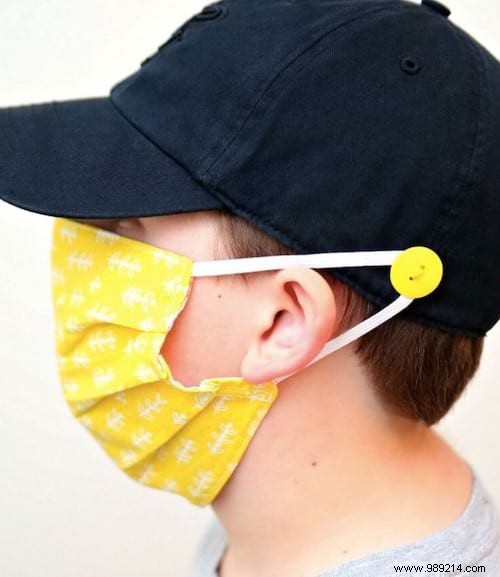
Elastics rub and hurt after hours. Relieve ears by rerouting them:


Humidity and blocked skin pores breed acne under masks. A targeted skincare routine helps: 10 simple tips to keep skin clear.
Related: Baking Soda + Coconut Oil: Best Cleanser for Problem Skin.
Masks exacerbate chapped lips, especially in winter. Skip chemical balms—try natural recipes for soft, hydrated lips.
Gentlemen, a shorter beard improves seal and comfort. Homemade shaving foam makes it easy.
