
Walking just 30 minutes a day is a simple, effective way to boost your health—no marathons required. This accessible exercise supports weight loss, reduces stress, lowers blood pressure, and cuts chronic disease risk. It burns belly fat, prevents heart issues, and enhances mental well-being, especially outdoors in nature.
 Contents
 Best of all, it requires only a comfortable pair of sneakers. Here are the 7 proven health benefits of walking 30 minutes daily, backed by research.
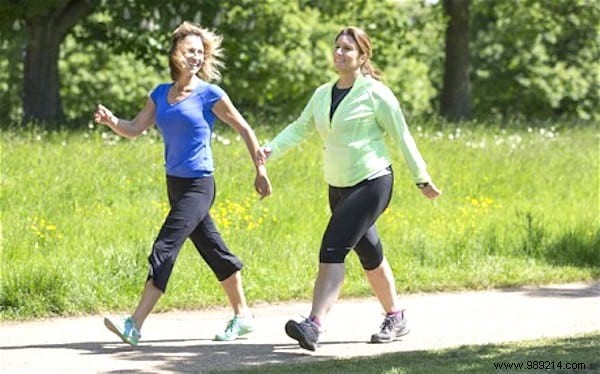
After a tough day, resist the urge for chocolate or drinks—opt for a walk instead. Studies show daily walking calms the nervous system, reducing anger and hostility. Walking with others fosters connection, lifting moods for both. Outdoor sunlight exposure combats seasonal affective disorder and winter blues.
Stuck on a work problem? A walk can unlock solutions. Research in the Journal of Experimental Psychology found walkers generated more creative ideas than those seated, proving walking stimulates innovative thinking.

Walking promotes weight loss and muscle maintenance. You'll notice looser pants around the waist as it improves insulin sensitivity, targeting belly fat. It boosts metabolism, burns calories, and preserves muscle—crucial with age—without treadmill drudgery. One acquaintance dropped 2% body fat in a month walking 1 km home from work daily.
Walking stabilizes blood sugar, lowering diabetes risk. University of Colorado Boulder researchers report it drops blood pressure by 11 points and stroke risk by 20-40%. Those walking 30 minutes, 5+ days weekly, cut cardiovascular disease risk by 30%. These benefits are well-documented and compelling.

Aging raises varicose vein risk, but walking counters it. The calf's "second heart"—muscles, veins, and valves—pumps blood upward. Regular steps strengthen this system, enhancing circulation and preventing issues. It eases swelling if veins are present and delays onset if you're prone. Explore: Natural remedies for heavy legs.
Struggling with sluggish bowels? Morning walks stimulate gastric motility. Post-surgery patients walk early to activate abdominal muscles and gastrointestinal movement, underscoring its role in healthy transit. Learn more: What your stool reveals about health.

Daily walks build routine, sustaining the habit long-term. With gains in health, physique, and mindset, it propels other objectives—like fitness or productivity—in a positive cycle. Track steps, calories, and distance with a fitness watch to stay motivated. Start today!
