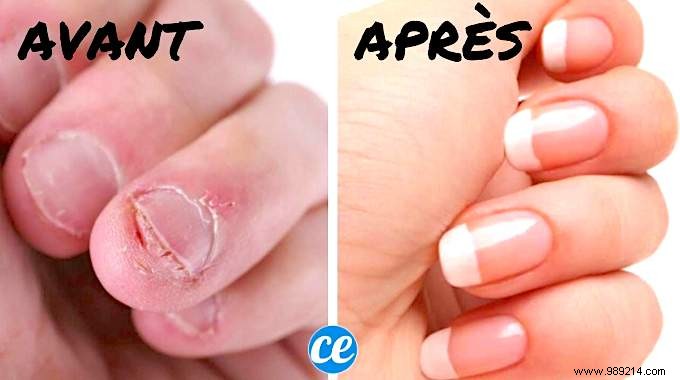
Roughly half of children and teens bite their nails, a habit that often persists into adulthood. For many adults, breaking free can feel impossible.
Thankfully, proven strategies exist to help you quit quickly and effectively. Here are 6 expert-backed tips to stop nail biting permanently:
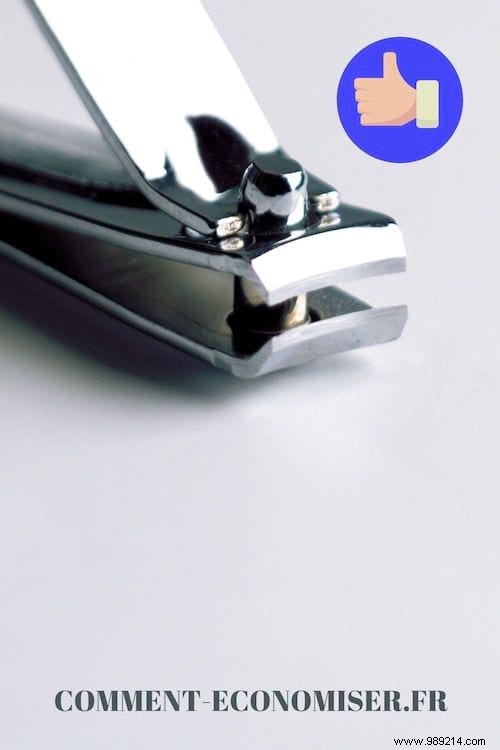
The simplest way to curb nail biting is to keep your nails trimmed very short on a regular basis. With less nail material available, the habit becomes less satisfying and easier to break. Always keep clippers handy for maintenance.
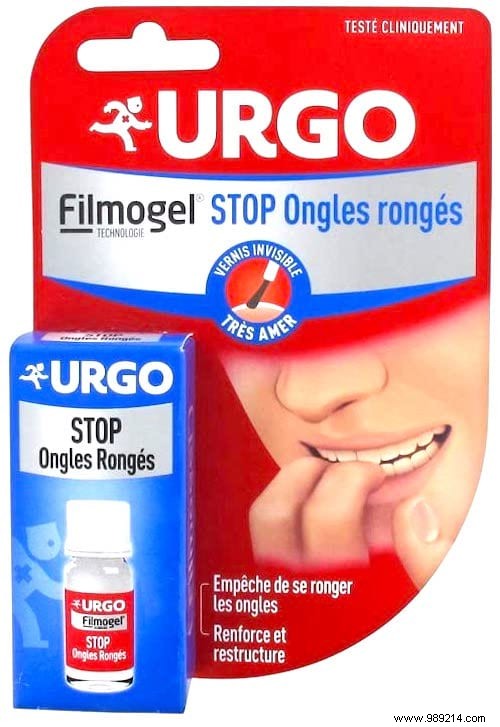
Bitter-tasting nail polishes, widely available online, act as a strong deterrent by making the habit unpleasant. For a natural alternative, soak your fingers in sweet almond oil, which repels instinctively without harsh chemicals.

Investing time and money in professional manicures motivates you to preserve your beautiful nails. Why risk ruining a costly salon treatment? Regular pampering builds a strong incentive to stay bite-free.
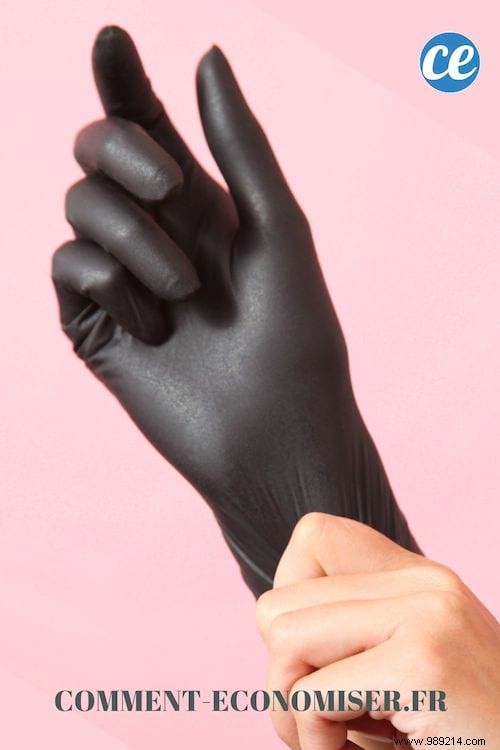
This unconventional trick works wonders: gloves physically prevent access to your nails. If full-day wear feels extreme, opt for nail covers, stickers, or even a simple bandage on trigger fingers as a visual reminder.
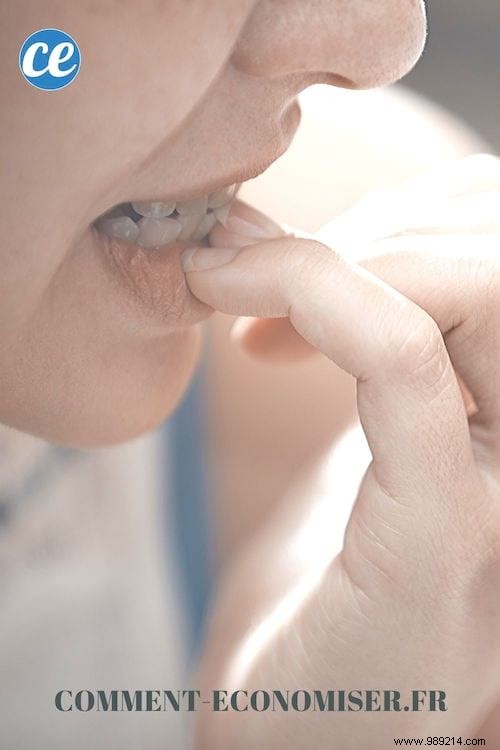
Practice awareness by noting when the urge strikes—this is a cornerstone of habit reversal therapy. Replace biting with healthier stress-relief methods. For quick calm, explore proven remedies like deep breathing or mindfulness.

Redirect the impulse with alternatives like chewing gum to occupy your mouth or fidget toys—anti-stress cubes, squeeze balls, or clickable pens—to channel nervous energy productively.
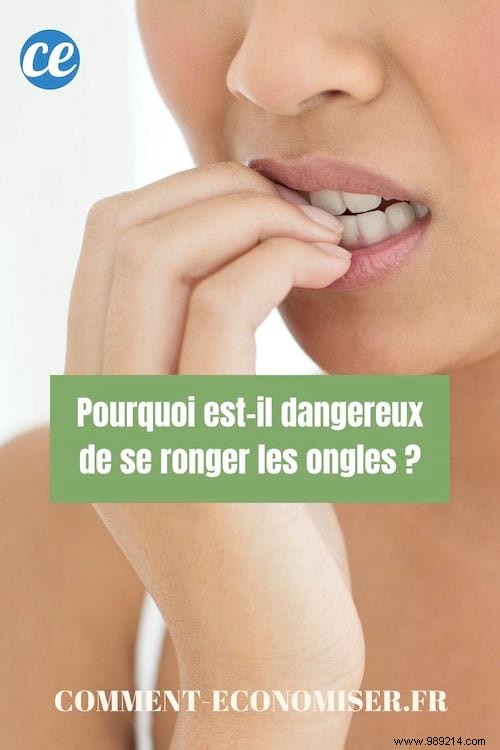
Nail biting poses real health risks. Consider these three key concerns:
1. It deforms your nails. Onychophagia disrupts healthy growth, damaging the nail matrix and causing permanent irregularities.
2. It damages your teeth. Repeated pressure erodes enamel, misaligns bite, and can lead to chipping or loosening over time.
3. It increases infection risk. Nails harbor bacteria; biting transfers them into your mouth, while skin breaks invite issues like paronychia (pus-filled swelling).

Nail biting, or onychophagia, may have a genetic component—studies show kids of nail-biters are more prone, even if parents quit pre-birth. It's often a stress response in anxious or bored individuals, serving as an unconscious emotional regulator.

For deep-rooted habits, gradual quitting builds success. Start with one hand or single nail for a week, then expand. Track progress and celebrate wins. If challenges persist, consult a therapist specializing in habit disorders for personalized support.
