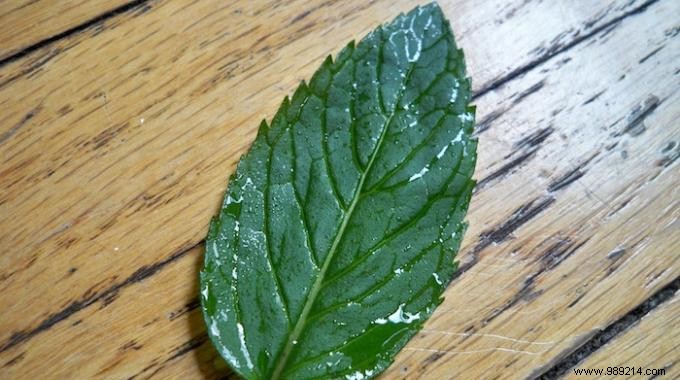
Mint is one of my favorite herbs. I've cherished it since childhood, when my grandmother brewed soothing mint teas for me.
This easy-to-grow plant has three remarkable, lesser-known virtues.
It's packed with proven health benefits and practical uses beyond the kitchen. Discover what makes mint a garden essential:
Mint is rich in vitamin C and iron, but its true power lies in its digestive and stimulating properties. It soothes stomach aches and effectively treats common digestive issues.
From my years of home cooking, I use it regularly to prevent indigestion. I chop a few fresh leaves into dishes like tabbouleh or vegetable soups with tomatoes, zucchini, or celery—it subtly enhances flavors without overpowering.
It's also perfect for tomato salads or fruit salads. After meals, I brew a simple infusion: steep about 5 mint leaves in boiling water for quick relief.
Mint is insects' natural enemy—they avoid it instinctively.
In the vegetable garden, it keeps ants at bay. Brew it as an infusion, spray on plant leaves, and it repels aphids effectively.
Apply crushed leaves to home entry points for an impenetrable barrier against mosquitoes and spiders.
Mint's antitoxic properties neutralize insect venom, making it ideal for bites and stings. Use it as a compress to ease pain and swelling.
Soften fresh leaves in lukewarm water, then apply as a poultice for 10 minutes. The itching vanishes quickly—I've relied on this remedy countless times.
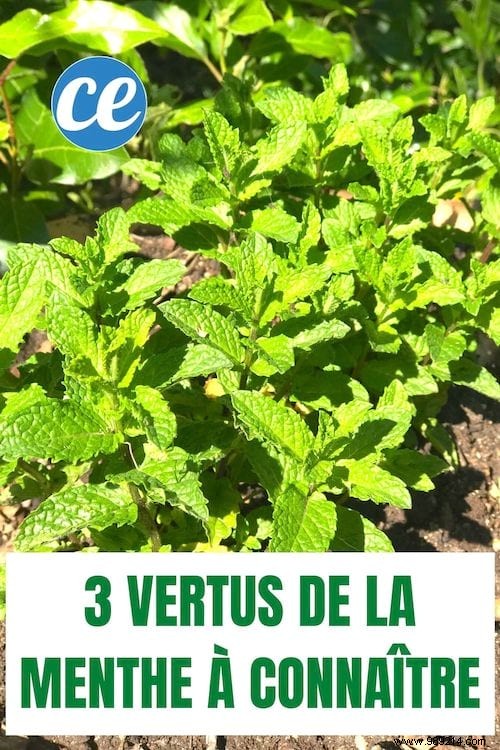
Supermarket mint costs €2-€3 for just a few branches.
Skip the trap: For the same price, buy a potted plant that yields leaves for months with regular watering.
Easy to care for in a pot or garden, it thrives with humidity and shade—no green thumb required.
A €2 bunch wilts and dries out in a week, even if unused. I've learned this the hard way—grow your own and save indefinitely.
