Dietary fiber is renowned for supporting healthy digestion and smooth bowel movements. But its benefits extend much further, helping lower the risk of serious conditions like stroke, hypertension, and heart disease.
Yet, like many people, you may not be getting enough fiber in your diet. The good news? Incorporating fiber-rich foods is simple and delicious.
Your body relies on fiber for optimal health, even though it doesn't fully digest it. There are two main types: soluble and insoluble.
Most plant foods provide both. Soluble fiber forms a gel in your gut, slowing digestion to help manage cholesterol and blood sugar levels. Insoluble fiber adds bulk to stool, promoting regularity and easier bowel movements.
Neither type is absorbed, yet both are vital. Low fiber intake can lead to constipation, blood sugar fluctuations, and poor satiety. Fiber regulates digestion and helps you feel full longer.
However, excess fiber—especially sudden increases—can cause bloating, cramps, or rapid transit that hinders nutrient absorption. Aim for the European Food Safety Authority's recommendation: at least 25g daily for adults. Those over 50 may need slightly less due to reduced calorie intake.
For context, that's about 10 slices of whole-grain bread daily for men. But don't worry—plenty of other nutrient-dense options exist.
Below, discover 16 standout high-fiber foods, complete with proven recipes to make them a staple in your kitchen. (Note: Fiber content varies slightly by preparation method.)
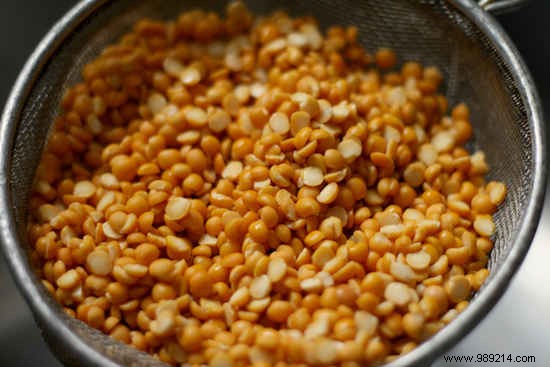
Fiber: 8.3g per 100g cooked split peas.
Recipe to try: Old-fashioned split pea purée
Split peas shine in Indian cuisine and pack protein for hearty soups, stews, or dhal—a balanced, flavorful meal. Pair with homemade naan for perfection.
Fiber: 7.9g per 100g cooked lentils.
Recipe to try: Lentil soup
Versatile and quick-cooking in colors like green, brown, and black, lentils burst with flavor in soups that satisfy even the pickiest eaters.
Fiber: 8.7g per 100g cooked black beans.
Recipe to try: Veggie black bean chili
Loaded with slow-release carbs and protein, these beans fuel your day. Ideal for chilly nights or post-workout recovery.
Fiber: 7.0g per 100g cooked lima beans.
Recipe to try: Chili con carne with lima beans
Plain lima beans are mild, but in chili with meat, chili, peppers, and tomatoes, they transform into a comforting favorite.
Fiber: 5.7g per 100g cooked artichokes.
Recipe to try: Artichokes with vinaigrette
The vegetable fiber champion per serving—yet often overlooked. Enjoy them dressed simply to maximize benefits.
Fiber: 5.5g per 100g boiled peas.
Recipe to try: Pea purée with mint
Quick and nutrient-packed with protein and omega-3s, this purée sneaks in goodness effortlessly.

Fiber: 3.3g per 100g boiled broccoli.
Recipe to try: Broccoli gratin
A family classic with cheese, butter, milk, and flour turns broccoli into a kid-approved dish.
Fiber: 2.6g per 100g steamed Brussels sprouts.
Recipe to try: Brussels sprouts with bacon casserole
Bacon bits and shallots elevate these into an irresistible side you'll crave.
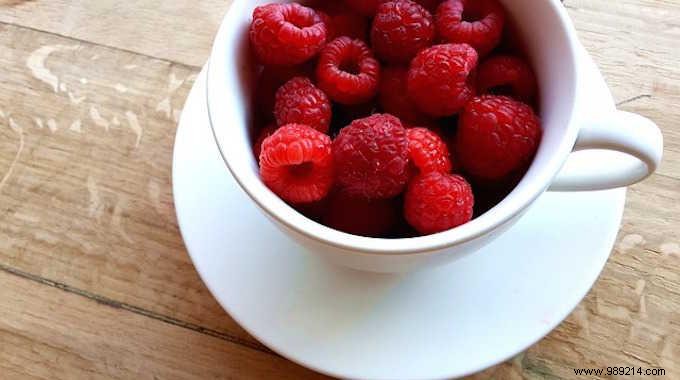
Fiber: 6.5g per 100g raw raspberries.
Recipe to try: Raspberry macarons
Nature's candy, transformed into irresistible treats everyone loves.
Fiber: 5.3g per 100g raw blackberries.
Recipe to try: Blackberry crumble
Simple, delicious, and fiber-boosting—use frozen off-season without losing benefits.
Fiber: 6.7g per 100g (about half an avocado).
Recipe to try: Guacamole
A true superfood with vitamins, fiber, and healthy fats—guacamole showcases it best.
Fiber: 5.5g per medium pear (175g).
Recipe to try: Pork tenderloin with pears and honey
Sweet-savory magic: pears caramelize beautifully with pork.
Fiber: 18.3g per 100g raw cereal.
Recipe to try: Multivitamin smoothie with wheat bran cereal
Quick morning boost: blend fruits and add a handful for fiber and protein.
Fiber: 3.9g per 100g cooked pasta.
Recipe to try: Zucchini pasta
With sauce and zucchini, it's a satisfying vegetarian option.
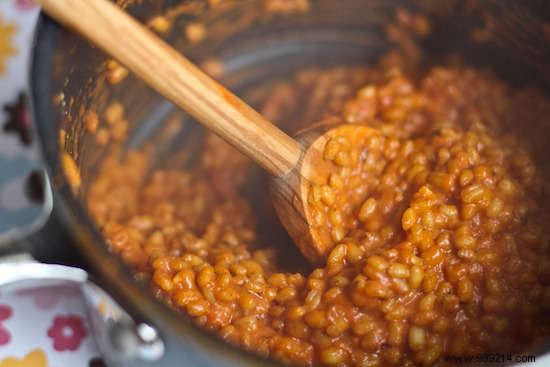
Fiber: 3.8g per 100g cooked pearl barley.
Recipe to try: Tomato barley with vegetables
Chewy, nutrient-dense, and better than oats or wild rice in fiber—perfect in soups or salads.
Fiber: 1.7g per 100g cooked oat flakes.
Recipe to try: Oat flake patties
Portable, post-workout fuel that's simply divine.
- Drizzle flaxseed oil (3.8g fiber per 2 tbsp, plus omega-3s) on salads, oatmeal, smoothies, yogurt, baked goods, or as a coating for chicken and fish.
- Chia seeds pack 5.5g fiber per tbsp. Soak in water for gel-like texture in smoothies, puddings, or as egg substitutes. Discover: The 10 Benefits of Chia Seeds.
- Grate spinach and carrots into cakes, eggs, pizza sauce, or other dishes for easy fiber wins.
- Use a food processor for veggie purees in sauces and stews. Swap rice for riced cauliflower.
Enjoy these fiber-packed foods for lasting health benefits!
