With more people adopting vegetarian diets or cutting back on meat, finding reliable plant-based protein sources is key to maintaining a balanced intake.
To fill the gap left by animal proteins, turn to these powerhouse plant foods packed with essential amino acids and nutrients.
Curious about the best plant-based protein sources? Here's our ranked list of the top 15 ingredients every vegetarian needs to know:
65g protein per 100g
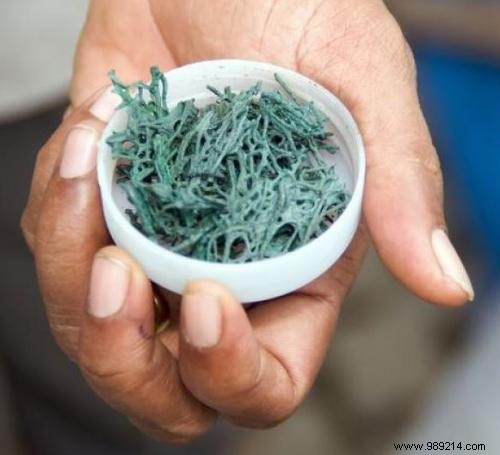
This nutrient-dense blue-green algae tops the list as a complete protein source, delivering 65g per 100g—twice that of soy. Rich in all essential amino acids, it's a staple in many diets worldwide, often substituting for meat in protein-scarce regions.
36g protein per 100g
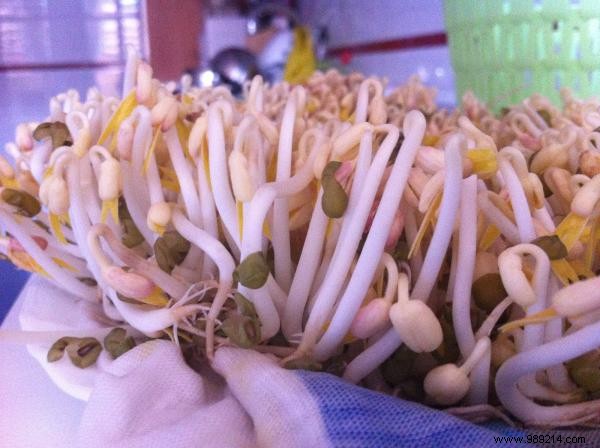
Soybeans offer 36g of high-quality protein per 100g, surpassing beef in iron and protein density at equal volumes. Packed with essential fatty acids, it's an excellent choice for heart health and cholesterol management.
26g protein per 100g
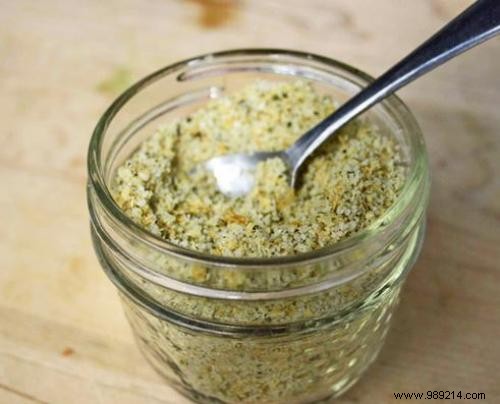
Hemp seeds provide 26g protein per 100g alongside omega-3s, vitamins A, D, and E. Their complete amino acid profile makes them a versatile addition to smoothies, salads, or snacks.
25g protein per 100g
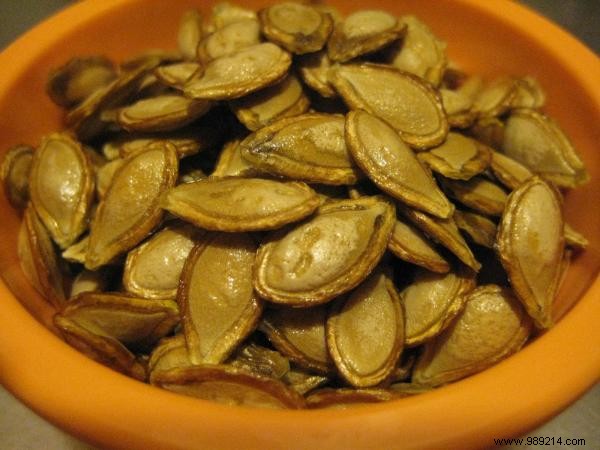
These seeds pack 25g protein per 100g and are loaded with minerals like iron, zinc, and magnesium, plus vitamins A, B1, and B2. Enjoy them roasted as a snack or sprinkled on salads and soups.
25g protein per 100g
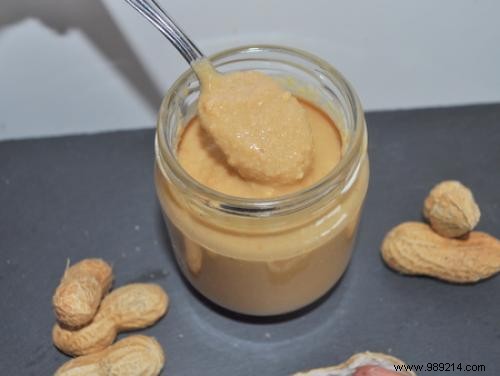
Despite its calorie density, natural peanut butter delivers 25g protein per 100g, along with zinc, phosphorus, and vitamin B3, making it a satisfying spread for toast or smoothies.
25g protein per 100g
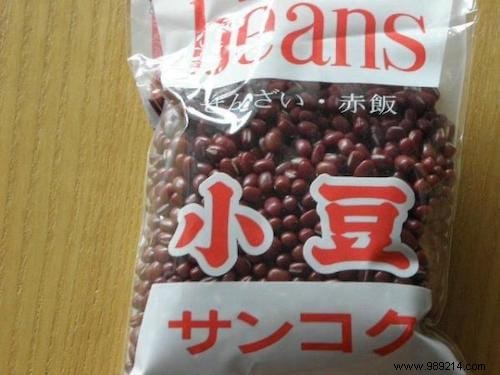
Popular in Japanese cuisine, azuki beans supply 25g protein per 100g. Mash them for spreads or pair with lentils and chickpeas for nutrient-rich meals.
23g protein per 100g
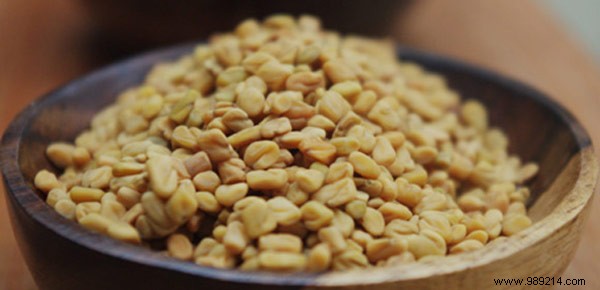
This Middle Eastern spice offers 23g protein per 100g in powdered form. High in fiber, it aids digestion, boosts appetite, and enhances stews and meats.
20g protein per 100g
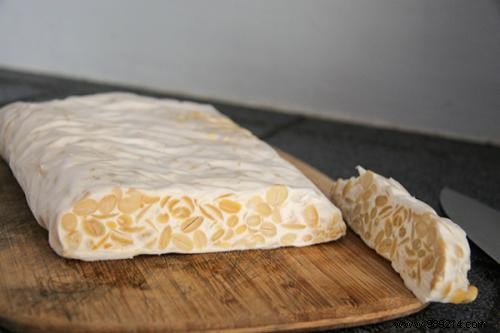
Fermented soybeans form tempeh, providing 20g protein per 100g—nearly double tofu's 11.5g. A staple in Indonesian cooking, it's probiotic-rich and versatile.
20g protein per 100g
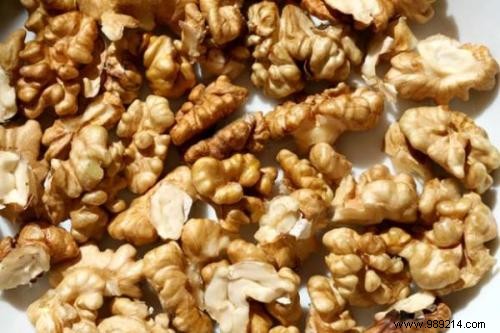
Walnuts, almonds, hazelnuts, and pistachios each deliver around 20g protein per 100g, plus plant sterols that help lower LDL cholesterol.
19g protein per 100g
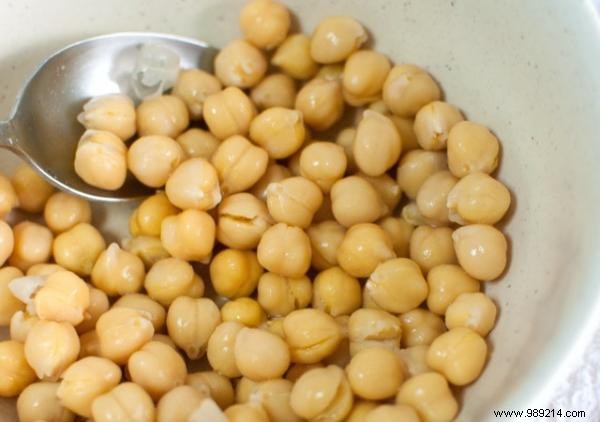
A Mediterranean favorite, chickpeas offer 19g protein per 100g with fiber, magnesium, and calcium. Perfect for hummus, salads, or curries.
17g protein per 100g
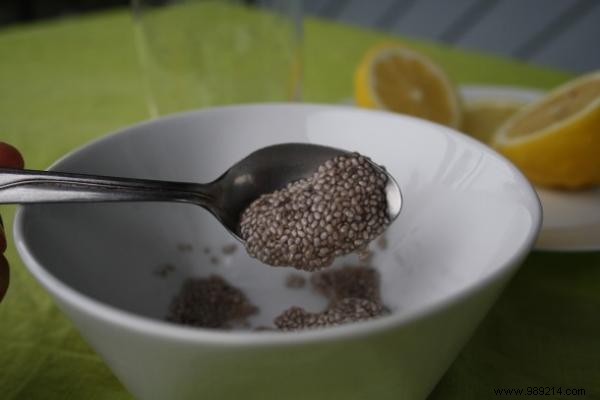
These Latin American seeds provide 17g protein per 100g, plus omega-3s, antioxidants, and fiber. Ideal for smoothies and detox blends. To discover: The 10 Benefits Of Chia Seeds That Nobody Knows.
15g protein per 100g
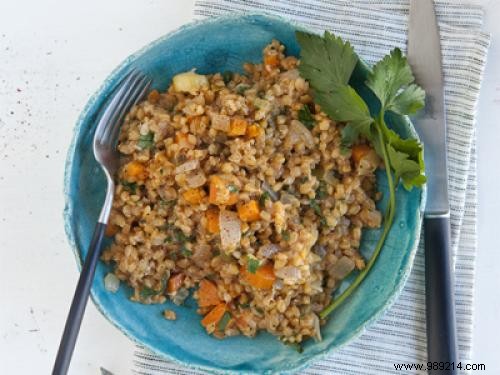
This ancient grain outshines rice and corn with 15g protein per 100g, offering superior nutrition for breads and sides.
14g protein per 100g
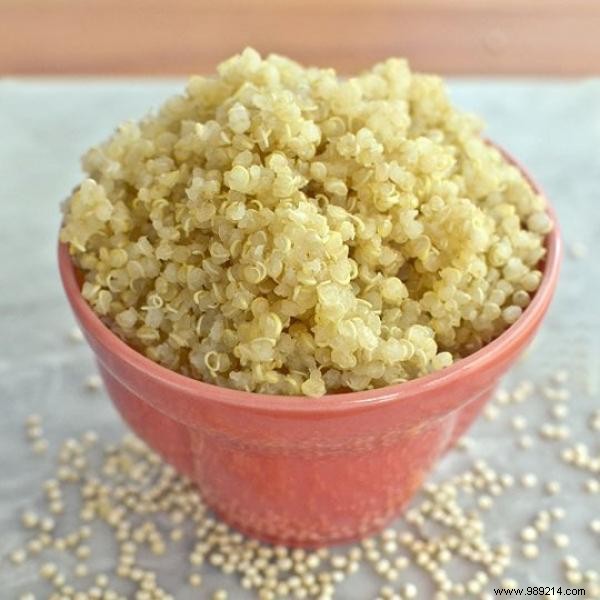
Gluten-free and complete protein, quinoa delivers 14g per 100g with iron, fiber, and minerals. A South American superfood and rice alternative. To discover: Tabbouleh with Quinoa: an Original and Gluten-Free Recipe!
13g protein per 100g

Gluten-free like quinoa, buckwheat provides 13g protein per 100g with manganese, magnesium, and copper. Use it as a rice substitute.
13g protein per 100g
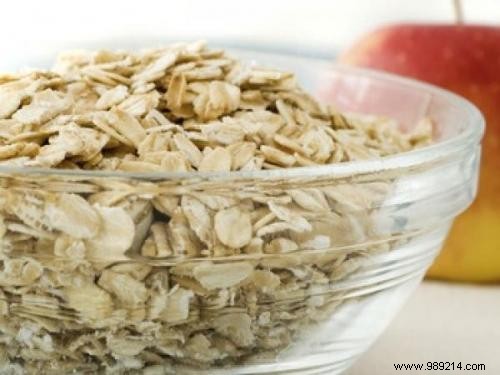
Oat bran rounds out the list at 13g protein per 100g, with fiber for digestion, plus magnesium, iron, and zinc. It supports heart health and blood sugar control.
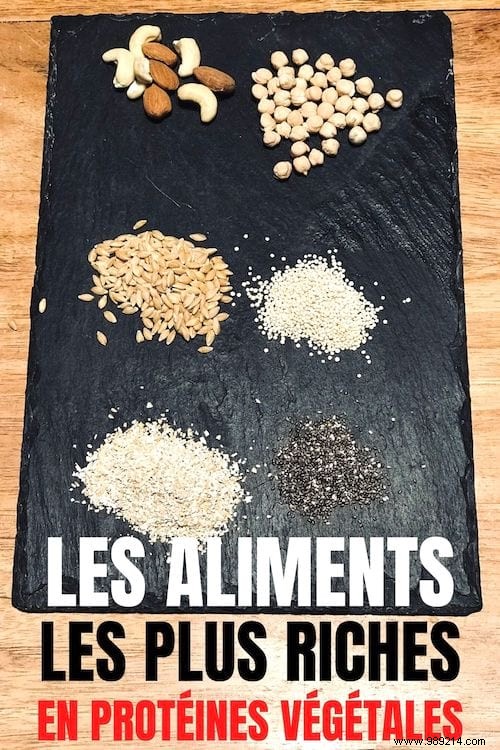
These top plant-based proteins make it easy to thrive on a meat-free diet. Incorporate them for sustained energy and optimal health.
