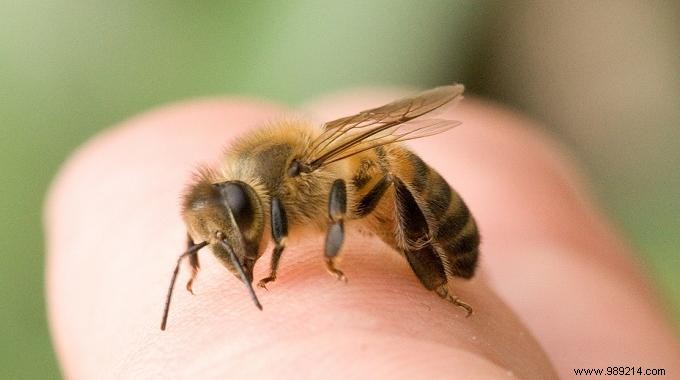
A bee sting hurts—a sharp, burning pain that can linger for hours. The good news? These 14 time-tested home remedies offer quick relief from pain, swelling, and itching. We've also gathered practical tips to help you avoid stings altogether, because prevention is the ultimate cure.
First, remove the stinger promptly to limit venom release—look for a small black dot at the site. Use tweezers (not a credit card, despite the myth) for safe extraction. Then wash the area with soap and water before applying one of these remedies:
1. Baking Soda Paste. Mix baking soda with water to form a paste, apply to the sting, and let it dry.
2. Baking Soda and Vinegar. Sprinkle baking soda on the sting, then add white vinegar drops. The fizzing reaction helps neutralize venom and reduce swelling. Leave on until pain subsides.
3. Mustard. Apply a dab of mustard to the sting, cover with gauze, and let it dry. Reapply after 4 hours if needed.
4. Honey. Coat the area with honey for its soothing, antibacterial properties. Reapply as necessary.
5. Toothpaste. Apply a generous amount of toothpaste and allow it to work on the irritated skin.
6. Ice. Wrap ice or an ice pack in cloth and apply to numb pain and reduce swelling.
7. Epsom Salt. Soak the area in Epsom salt water, or make a paste for direct application to ease itching.
8. Aloe Vera. Rub fresh aloe vera gel directly on the sting for cooling relief.
9. Banana Leaf. Chew a banana leaf and apply the pulp to the sting site.
10. Parsley. Crush fresh parsley leaves and press onto the area.
11. Basil. Crush fresh basil leaves and apply the mixture.
12. Apple Cider Vinegar. Soak the sting immediately in apple cider vinegar to neutralize the venom.
13. Papaya. Place a slice of fresh papaya over the sting.
14. Deodorant. Dab on roll-on deodorant for its aluminum-based soothing effect.
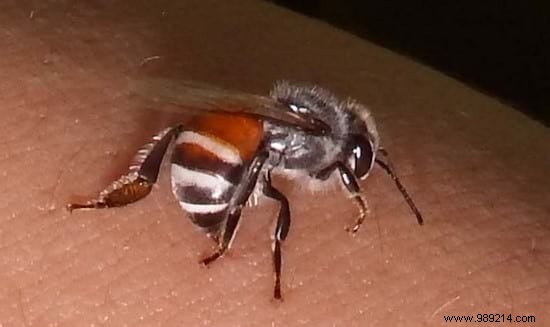
A typical bee sting causes intense pain, redness, swelling, and itching that usually fades within hours. Seek medical help immediately if you experience:
Severe reactions can signal anaphylaxis—call emergency services if breathing is impaired.
Stay logical to repel bees: Skip bright clothes, strong scents, and shiny products. Cover sugary drinks and fruits, especially around kids.
Bees sting only when threatened—stay calm. If one lands on you, blow gently to encourage it to fly off. Avoid swatting, as sudden moves provoke them.
Pro Tip: In fall, when food is scarce, light clothes and scents can mimic flowers. Blend in with earth tones.
The barbed stinger rips from the bee's abdomen, releasing venom but fatally injuring it. Bees sting defensively for their hive or queen.
Despite the fear, bees are vital pollinators and honey producers. Support declining populations by planting bee-friendly flowers in your garden.
