Constantly following the news harms your health by fueling fear and aggression. It stifles creativity and clear thinking. The solution? Quit consuming media news entirely.
Over the past year, you've likely encountered thousands of news stories. Have they truly helped you make better personal decisions?

In the last 20 years, we've recognized the dangers of overeating—obesity, diabetes, and more—leading many to adopt healthier habits.
Yet few grasp that news consumption affects the mind like sugar does the body. News is easy to digest because media select trivial, superficial stories that require no deep reflection.
Unlike books or in-depth reports, news never satiates, allowing endless intake—like brightly colored, toxic candy. Today, we're awakening to the risks of nonstop news feeds.
Here are 10 evidence-based reasons why quitting the news benefits everyone:
Philosopher Nassim Taleb illustrates this in The Black Swan: A car crosses a bridge, which collapses. Media fixate on the car and driver—sensational but irrelevant. The real story? The bridge's structural flaws, potentially affecting countless others.
Media prioritize drama over substance, skewing our worldview. Examples: Terrorism dominates headlines while chronic stress lurks unnoticed; financial crises overshadow personal irresponsibility; astronauts eclipse nurses.
Even plane crash footage alters flying habits despite minuscule odds. Studies show even economists and bankers fall prey, as seen in the latest financial crisis. Solution: Disconnect completely.
Of 10,000 news items from the past year, name one that improved your life or career decisions. Most can't. News confuses novelty with importance.
Media sells the illusion of a competitive edge, breeding anxiety when disconnected. In truth, less news enhances well-being and focus—a true advantage.
News are surface bubbles, ignoring underwater complexities. Vital trends evade coverage because they unfold slowly. More news means less global perspective—if it built wisdom, journalists would rule society. They don't.
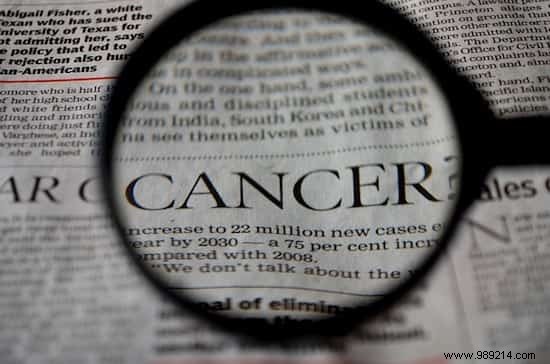
News activates the limbic system, flooding the body with glucocorticoids like cortisol. This impairs immunity, growth hormones, digestion, and heightens vulnerability to illness, fear, aggression, and desensitization.

Warren Buffett noted: Humans twist new info to fit preconceptions. News worsens confirmation bias and reality distortion, via fake news, leading to poor risks and missed opportunities.
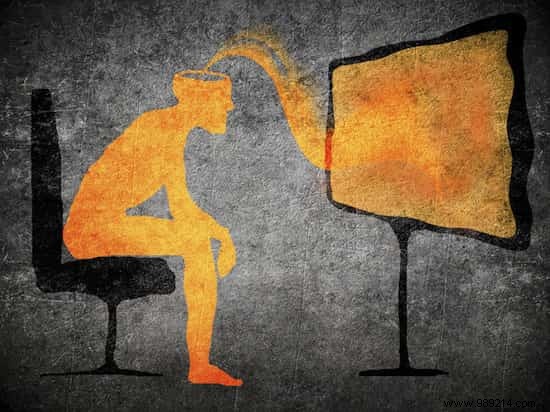
Deep thought requires uninterrupted focus, but news alerts are engineered distractions. They overload short-term memory's bottleneck, blocking long-term assimilation—like hyperlinks derailing online reading comprehension.

Cliffhangers addict us, strengthening shallow neural paths while eroding deep thinking circuits. Heavy consumers struggle with books after a few pages—not from age, but brain changes.

15 minutes morning paper, lunch scrolls, evening broadcasts, plus office checks: Half a day weekly lost, plus refocusing time. Attention, not info, is scarce now.
News spotlights uncontrollable events, fostering learned helplessness, pessimism, and potentially depression.

Familiarity kills novelty. Creatives—writers, scientists, entrepreneurs—thrive young, with fresh minds. No news addicts among top innovators; ditch it for original ideas.
Society needs investigative journalism that digs deep, not rushed headlines. Opt for books and long-form pieces.
I've quit news for 4 years, gaining focus, less anxiety, more time, and clarity. It's challenging but transformative.
Have you cut back on news? Share in comments if it made you happier—we'd love to hear!
