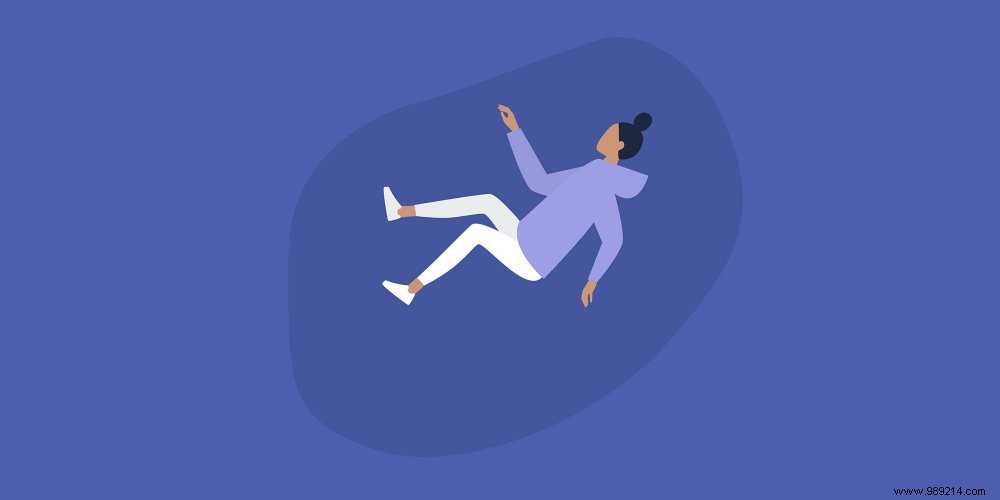
 Behind this unsettling sensation lies a chain of reactions that can lead to fainting. Often benign but alarming, learn to identify vagal discomfort and respond effectively.
 Sudden weakness, ringing in the ears, sweating, headache, or a dark veil over your vision? You could be experiencing vagal discomfort.
"Vagal discomfort stems from overstimulation of the vagus nerve—also known as the pneumogastric nerve—which regulates the autonomic nervous system, controlling heart rate, digestion, and certain hormones," explains Dr. Rania Ouddane, a general practitioner. This overstimulation disrupts the balance between the sympathetic and parasympathetic systems, triggering malaise.
Triggers are varied, Dr. Ouddane notes: extreme heat (especially with dehydration), stuffy environments (particularly for claustrophobics), or severe pain. It can also occur with abrupt awakenings, sudden shifts from lying to standing, low blood sugar, intense exercise, or during pregnancy.
Video of the day:When overstimulated, the vagus nerve releases acetylcholine, slowing heart rate and causing a sharp drop in blood pressure. This briefly reduces blood and oxygen to the brain, leading to muscle weakness, falls, or syncope (loss of consciousness).
Dr. Ouddane reassures: "It's usually not serious but can feel frightening." Victims often pale dramatically as facial blood vessels constrict and may slump like a rag doll. It can mimic a heart attack and even cause sphincter relaxation or involuntary urination. "A few symptom questions often calm patients," she adds, "but recurrent episodes warrant a cardiologist evaluation."
Falls risk head injuries, potential trauma, or hemorrhage.
Don't panic at early signs—sit immediately (even on the floor) or pull over if driving. For others, "Help them lie down and elevate legs to 90° against a wall or chair to boost venous return and brain blood flow," advises Dr. Ouddane.
If unconscious, splash cool water on the face, place in recovery position on the side. Call emergency services if recovery is slow, or if diabetes/heart issues are known.
Stay hydrated in heat, rise slowly, and manage stress: "It often affects anxious individuals or those with phobias," says Dr. Ouddane. It can signal somatization in high-anxiety profiles, fatigue, or spasmophilia from intestinal spasms compressing the nerve. Relaxation techniques or therapy can help.
Read also: