In Canada, a 33-year-old woman faced an extraordinarily rare ectopic pregnancy when a fertilized egg implanted directly in her liver, triggering severe complications.
In a typical pregnancy, fertilization occurs in one of the fallopian tubes, after which the embryo travels to the uterus for implantation. Ectopic pregnancies (EPs) happen when the embryo develops outside the uterus, most commonly in a fallopian tube or the abdominal cavity. Prompt diagnosis is critical, as growth can cause life-threatening bleeding. Risk factors include advanced maternal age, smoking, prior pelvic infections, tubal abnormalities, or assisted reproductive technologies like IVF.
While tubal and abdominal EPs are the norm, intrahepatic cases are virtually unheard of. As reported in The Independent on December 20, 2021, Dr. Michael Narvey and colleagues at the Children's Hospital Research Institute of Manitoba encountered this shocking phenomenon: a liver ectopic pregnancy.
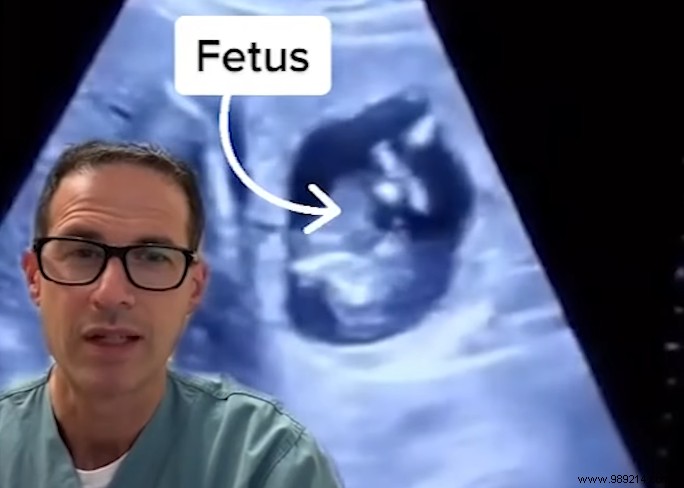
The patient endured 14 days of persistent vaginal bleeding before seeking care. Ultrasound confirmed an intrahepatic pregnancy, which is unsustainable and poses high rupture risk due to the liver's rich vascular network, potentially causing massive internal hemorrhage.
Such cases are exceedingly scarce, with just 21 documented in English-language medical literature from 1967 to 2017. One recent example involved a Chinese woman with a 40-day amenorrhea and a 5.4 x 4.6 cm mass in her liver's right lobe.
Intrahepatic pregnancies typically fail within the first trimester. The trophoblast—the outer embryonic layer—invades liver vessels, leading to cataclysmic hemorrhage if untreated, with rupture at the implantation site.
