While genetics undeniably contribute to obesity, pinpointing the exact mechanisms has long challenged researchers. A recent University of Hong Kong study implicates a deficiency in the BDNF gene within key human proteins as a primary factor.
Research has established obesity's ties to diminished muscle endurance and metabolic changes. A 2020 study found it doubles COVID-19 mortality risk. Now, University of Hong Kong scientists have identified the Brain-Derived Neurotrophic Factor (BDNF) gene, per their November 24, 2021 press release.
Focusing on mitochondria—the cell's energy converters—the team tested genetically obese mice. Results showed obesity sharply reduces BDNF in skeletal muscle tissue.
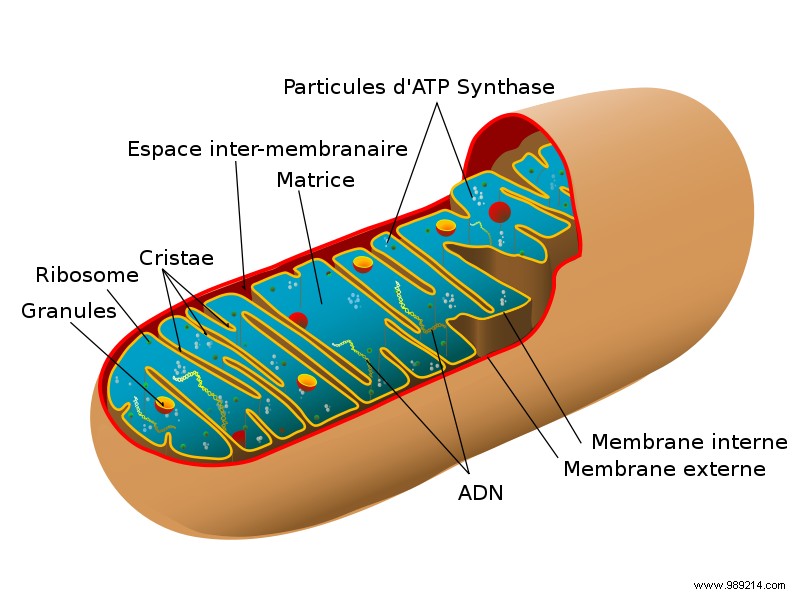
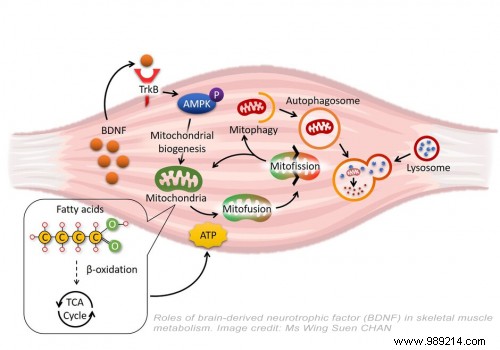
Deleting BDNF in mice accelerated weight gain on high-fat diets, triggered insulin resistance, and lowered energy use. Their mitochondria faltered at nutrient-to-energy conversion (see diagram below), leading to organelle buildup that disrupted lipid metabolism and insulin sensitivity.
Exploring remedies, researchers highlighted Godmania aesculifolia, a South American plant. It counters mitochondrial issues by mimicking BDNF. Earlier studies confirm it cuts body weight and boosts insulin sensitivity in animals, but human validation awaits further trials.
