A groundbreaking Franco-Dutch study sheds light on how our brain tracks time and spontaneously revisits memories.
We all experience mentally reliving past events in their original sequence—a seemingly simple ability that remains a profound mystery in neuroscience. For years, researchers have puzzled over how the brain encodes and replays events in precise temporal order. A study published in the Journal of Neuroscience on June 28, 2021, offers new clues.
Scientists from Paul Sabatier University in Toulouse, France, and Maastricht University in the Netherlands, investigated the mechanisms enabling the brain to process temporal sequences and store episodic memories. Their key finding: hippocampal neurons—crucial for memory formation—continue firing even without external input.
To explore this, the team leveraged data from epilepsy patients undergoing pre-surgical monitoring. These individuals had intracranial electrode implants to track seizure activity, allowing researchers to record neural responses during a brief task.
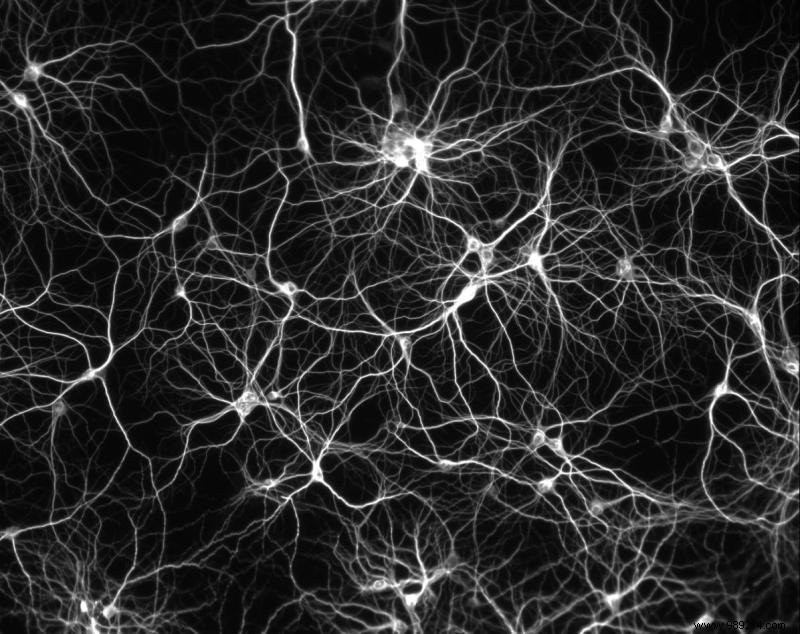
One group of participants memorized a looping sequence of images, pausing randomly; they were asked to identify the next image. A second group viewed the same sequence but received no prompt during pauses. Remarkably, hippocampal neurons persisted in processing the temporal sequence even without stimuli—their 'time cells' kept ticking.
These neurons activated at precise moments, regardless of external cues, indicating they respond to internal sequences. The researchers propose the brain maintains an intrinsic timeline, independent of the outside world, confirming a form of neural temporal coding. Ongoing research aims to decode how memories are embedded in these patterns.
