Hyperthymesia, a rare neurological condition, enables exceptional recall of autobiographical memories—an extraordinary enhancement of episodic memory.
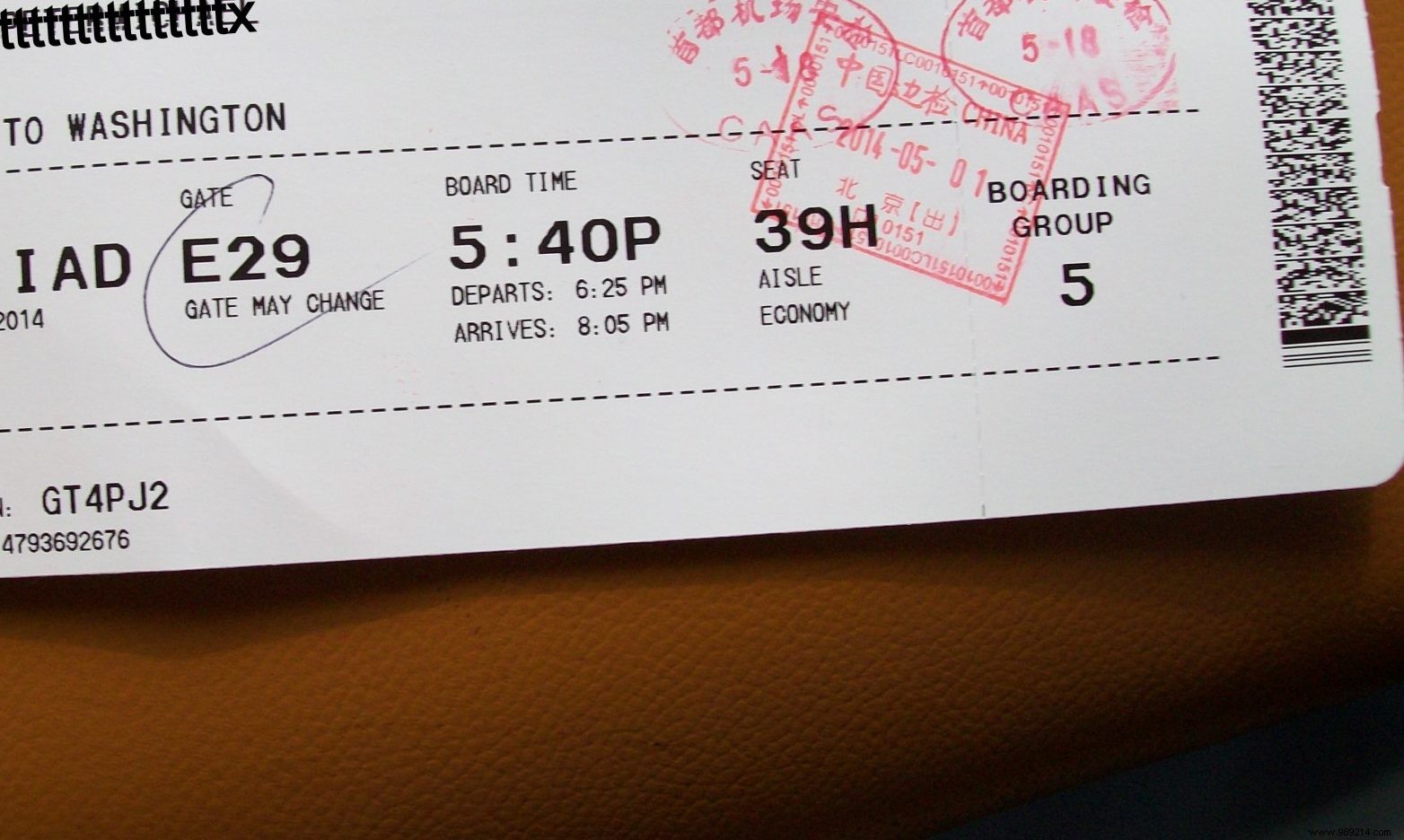
Can you recall your activities on the evening of April 18, 2012, or your seat number on a flight from three years ago? If so, you might be among the rare individuals with hyperthymesia—known in English as Highly Superior Autobiographical Memory (HSAM). The first documented case emerged in 1965, with the initial formal diagnosis in the 2000s.
As reported by New Scientist on May 25, 2021, hyperthymesia affects about 100 people worldwide. These individuals possess an elevated form of autobiographical and photographic memory, effortlessly retaining intricate details that most people overlook. In 2010, CBS aired a program titled Unforgettable: The Gift of Endless Memory, shedding light on this phenomenon.
While many envy such a memory, the inability to forget can have drawbacks, like struggling to move past traumatic events.
Recent studies have examined HSAM brains, confirming no superior learning ability compared to others. However, once information is encoded, it becomes nearly indelible—an enhanced involuntary memorization akin to eidetic memory, surpassing typical photographic recall.
HSAM individuals can study a photo for just a few seconds and remember its finest details. Preliminary research points to the caudate nucleus and putamen—key parts of the basal ganglia's lenticular nucleus—as involved structures.
Ongoing research aims to uncover insights that could help everyone enhance memory through new techniques, potentially viewing hyperthymesia as a biological variation rather than an anomaly.
